What is the main cause of air pollution, and why do emissions rise in cities? This article names the primary cause and lists other key sources. It explains how transport, industry, and power plants release pollutants, describes how those pollutants form airborne hazards, and outlines why urban areas are hotspots. It states how agriculture, waste burning, and natural events add to the problem, and summarizes practical actions communities and governments can take. The goal is to give clear, shareable facts that help readers understand causes, pathways, and solutions.
Key Takeaways
- The main cause of air pollution is fossil fuel combustion from transport, industry, and power plants, which emit harmful pollutants like nitrogen oxides, carbon monoxide, sulfur dioxide, volatile organic compounds (VOCs), and particulate matter (PM10 and PM2.5).
- Urban areas show higher emissions due to concentrated vehicle exhaust, dense industrial activities, and localized power generation; population density and traffic congestion amplify exposure to these pollutants.
- Secondary contributors include agriculture (ammonia and methane), open waste burning (black carbon and dioxins), and natural events such as wildfires and dust storms, all of which add to local and regional pollution levels and can interact chemically with urban emissions.
- Air pollution affects health, climate, and ecosystems: fine particles and ozone can cause respiratory and cardiovascular problems, reduce crop yields, and influence atmospheric chemistry and warming.
- Reducing air pollution requires a mix of technical measures (emission controls, cleaner fuels, electrification), policy measures (stronger standards, enforcement, improved land use), and behavioral changes (modal shifts to public transit, waste reduction, and lower-intensity energy use).
- Practical city-level actions include low-emission zones, investment in rapid transit and active mobility, separation of heavy industry from sensitive land uses, and targeted controls on the highest-emitting sources to address the main cause of air pollution efficiently.
Primary Cause: Fossil Fuel Combustion Across Transport, Industry, And Power
Fossil fuel combustion is the dominant driver of anthropogenic air pollution in most populated regions. When vehicles burn gasoline and diesel, they emit nitrogen oxides (NOx), carbon monoxide (CO), VOCs, and a range of particle sizes including black carbon. Incomplete combustion and high-temperature processes create these pollutants, which can form secondary pollutants such as ground-level ozone and secondary organic aerosols through atmospheric reactions.
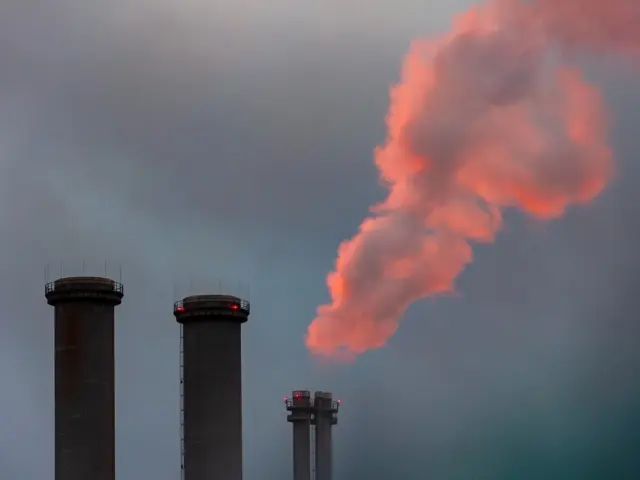
Industrial processes that burn coal, oil, or gas release sulfur dioxide (SO2), NOx, particulate matter, and trace metals depending on fuel quality and pollution controls. Heavy manufacturing—steel, cement, petrochemical refining—can emit both continuous plumes and episodic releases during maintenance or upset conditions. Power plants, especially those that burn coal or oil, typically contribute large, steady emissions of SO2, NOx, CO2, and fine particulates; the stack heights and emission rates influence regional dispersion patterns.
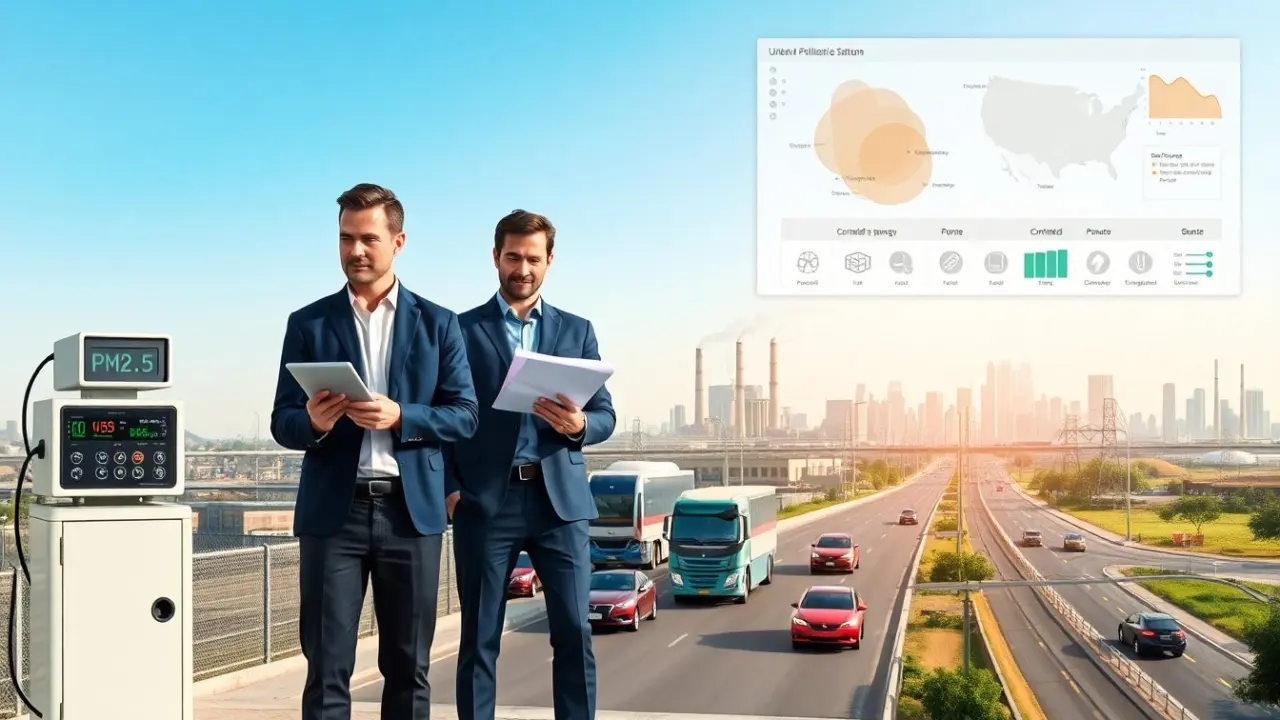
The question what is the main cause of air pollution is often answered with fossil fuel combustion because of both emission volumes and health-relevant pollutant profiles. These emissions increase concentrations of PM2.5 and ozone precursors in the lower atmosphere. PM2.5 particles penetrate deep into lungs and can enter the bloodstream, while ozone formed from NOx and VOCs is a powerful respiratory irritant. Urban monitoring networks commonly track PM2.5, PM10, ozone, NO2, and SO2 to assess source impacts and trends.
Mechanisms to reduce combustion-related pollution focus on source substitution, control technologies, and system redesign. Switching from high-sulfur fuels to cleaner fuels reduces SO2 and particle formation. Retrofitting industrial boilers and power plants with flue gas desulfurization, selective catalytic reduction for NOx, and particulate filters lowers emissions from existing units. Electrifying transportation, increasing fuel economy, and supporting modal shifts away from private cars reduce tailpipe emissions near dense populations. Because many cities ask what is the main cause of air pollution, targeting fossil fuel combustion delivers the largest, most measurable improvements in urban air quality.
Secondary Causes And Significant Contributors: Agriculture, Waste Burning, And Natural Sources
Agriculture contributes to air pollution through emissions of ammonia (NH3), methane (CH4), and dust. Ammonia reacts with acidic gases such as SO2 and NOx to form secondary inorganic particles (ammonium sulfate and ammonium nitrate), which add to PM2.5 loads downwind of intensive farming areas. Livestock operations produce methane, a potent greenhouse gas, and slurry and fertilizer management can release NH3 and odors. Field operations also resuspend dust and organic particles that affect local air quality.
Open waste burning—on-site incineration of municipal, agricultural, or yard waste—produces smoke rich in black carbon, fine particles, and a mixture of toxic organic compounds. Burning plastics and mixed waste can generate dioxins and furans as well as small particles that travel long distances. These practices are common where formal waste management is limited, and episodic burning can spike pollutant levels over cities and rural communities alike.
Natural sources contribute episodically and can dominate air quality at times. Wildfires release large plumes of PM, black carbon, and VOCs; smoke can travel hundreds of kilometers and interact with urban pollution to create complex chemical mixtures. Dust storms lift mineral particles into the atmosphere, increasing respirable particle concentrations. Volcanic eruptions emit sulfur compounds and ash that can sharply worsen air quality regionally. Because these events are often seasonal or weather-driven, they can complicate source attribution but remain important contributors to total exposure.
When analysts consider what is the main cause of air pollution, they routinely place agriculture, waste burning, and natural events as significant but context-dependent contributors. In many regions, controlling fossil fuel combustion yields the biggest baseline reductions, while managing agricultural NH3, eliminating open burning, and preparing for natural events reduce peak exposures and localized impacts.
Practical mitigation measures include promoting precision fertilizer application and aerobic composting to cut NH3 emissions, expanding formal waste collection and controlled thermal treatment or recycling to eliminate open burning, and improving land management and fire prevention to reduce wildfire smoke. These targeted actions reduce non-combustion sources and complement broader efforts to address fossil fuel combustion, which together form an effective strategy for cleaner air.
Why Urbanization, Land Use, And Policy Failures Amplify Pollution Levels
Rapid urban growth concentrates people, vehicles, and energy demand into smaller areas, increasing local emissions per unit area and exposure. Cities with congested roads experience persistent tailpipe emissions and higher cold-start emissions that worsen NOx and PM profiles. The concentration of demand also drives more frequent freight movements, localized industrial activity, and distributed power generation, all of which raise the urban pollution footprint tied to fossil fuels.
Poor land use planning can put pollution sources next to homes, schools, and hospitals. Zoning that allows heavy industry, logistics hubs, or major highways near dense residential neighborhoods leads to higher population exposure, even if total emissions are unchanged. Urban heat islands and reduced vegetation further impair pollutant dispersal and can increase ozone formation on hot, sunny days.
Policy weaknesses and enforcement gaps let high-emitting sources persist. Regulations without consistent monitoring, lenient permitting, or limited penalties reduce incentives to invest in cleaner technology. Slow transitions in fuel standards, inadequate public-transit funding, and limited incentives for electrification sustain fossil fuel demand. These governance failures mean that when people ask what is the main cause of air pollution, the practical answer remains fossil fuel combustion because policy systems have not fully removed or controlled those emissions.
Addressing these factors requires coordinated urban planning and policy reforms: separating heavy industry from sensitive land uses, creating buffer zones and green belts, investing in high-quality public transit and active mobility infrastructure, and strengthening monitoring and enforcement of emission limits. Complementary measures—such as congestion pricing, low-emission zones, incentives for electric vehicles, and building energy efficiency standards—reduce fossil fuel use at its source and change the default answer to what is the main cause of air pollution over time.