They ask how to reduce water waste at home and in the neighborhood. The guide lists clear steps they can use today. It shows low-cost fixes, daily habits, and community actions. Each step gives a direct action and a quick reason. Readers will find practical tips they can apply this week.
Key Takeaways
- Reducing water waste begins with fixing leaks and adopting smart indoor habits like installing low-flow showerheads and running full loads in dishwashers and washers.
- Outdoor water use can be minimized by using timers, switching to drip irrigation, choosing native plants, and mulching to retain soil moisture.
- People should check for hidden leaks regularly using water meters and consider upgrading to water-efficient appliances and fixtures to cut household water consumption.
- Collecting rainwater and using soil moisture meters help ensure irrigation only happens when necessary, preventing overwatering and runoff.
- Community involvement, such as supporting water-efficiency policies, rebate programs, and public campaigns, amplifies the impact of individual water-saving actions.
- Investing in technology like smart meters and leak-detection devices extends water waste reduction from short-term habits to long-term sustainability.
Smart Indoor Habits That Cut Water Use Fast
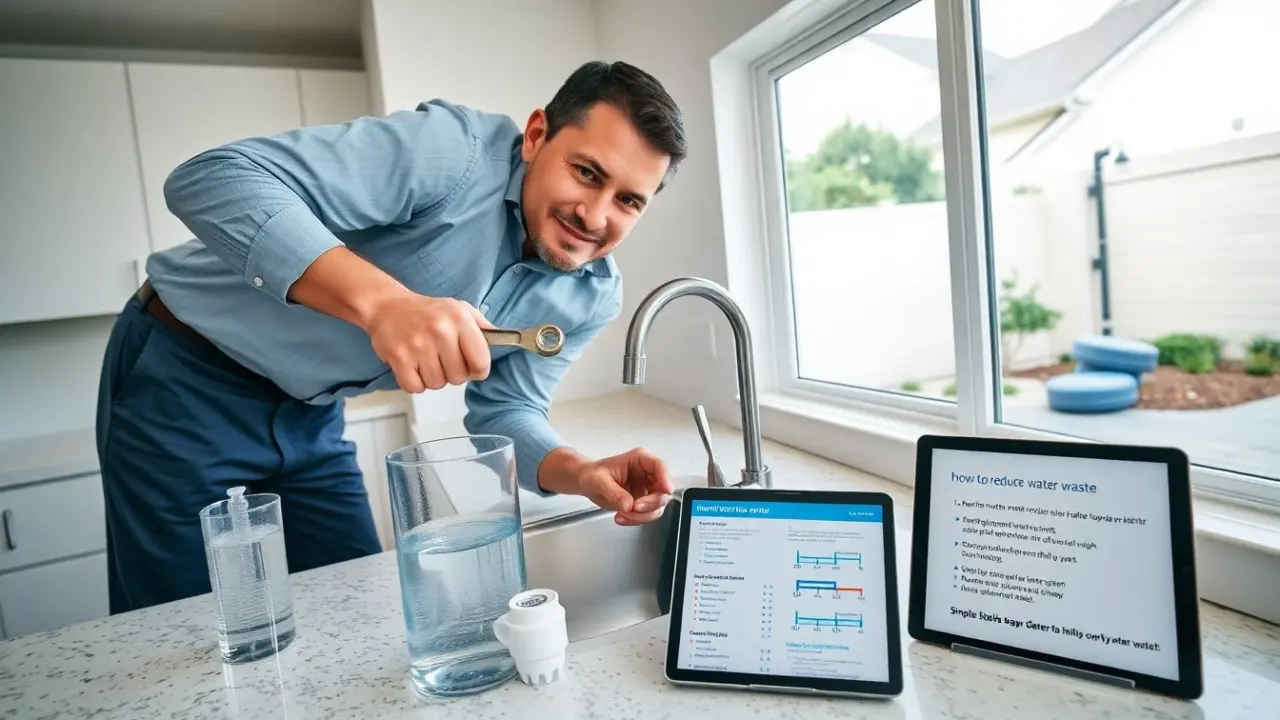
How to reduce water waste starts inside the house. They fix leaky faucets first. A single drip can waste liters per day. They tighten fixtures, replace worn washers, or install new cartridges. They check pipes under sinks and behind toilets once a month. They replace old showerheads with low-flow models. Low-flow showerheads cut flow and keep water pressure. They shorten showers by one or two minutes. Shorter showers reduce water use without harming comfort.
They run dishwashers and washing machines with full loads. Full loads use less water per item. They choose high-efficiency dishwashers and front-loading washers when replacing machines. The appliances use sensors and less water per cycle. They turn the tap off while brushing teeth and shaving. They fill a bowl to rinse instead of running water. They collect cold shower water in a bucket while waiting for it to warm. They use that water for plants or cleaning. They insulate hot water pipes to get hot water faster. Faster hot water reduces wasted flow and energy.
They test for hidden leaks by reading the water meter. They record the meter before and after two hours with no water use. They call a plumber if the meter moves. They install faucet aerators to keep pressure and reduce flow. They place a displacement bag or bottle in older toilets to cut tank volume. They upgrade to a dual-flush or low-flush toilet when possible. Small indoor changes add up and make a clear impact on household water use.
Water-Wise Outdoor And Garden Practices
They include the phrase how to reduce water waste when planning outdoor changes. They set timers on irrigation systems and check them monthly. Timers prevent overwatering and schedule water for early morning. They switch sprinkler heads to drip irrigation for beds and shrubs. Drip systems deliver water directly to roots and cut evaporation.
They choose native plants and drought-tolerant species for yards. Native plants need less water and fewer inputs. They mulch garden beds with organic mulch to hold soil moisture. Mulch reduces the need for frequent watering. They zone the landscape by water need. They separate high-water lawns from low-water beds to apply water only where needed. They water lawns deeply and infrequently to encourage deep roots. Shallow daily watering weakens root systems and increases total water use.
They repair broken irrigation lines and adjust sprinklers to avoid watering driveways and sidewalks. They sweep hard surfaces instead of hosing them. They collect rainwater in barrels for use on vegetable gardens and potted plants. They use soil moisture meters to water only when the soil is dry. They pick a washing schedule for outdoor cleaning that reduces use. These outdoor habits help communities cut water use and reduce runoff in storms.
Longer-Term Changes: Technology, Policy, And Community Action
They plan longer-term steps to reduce water waste beyond daily habits. They invest in smart meters and leak-detection devices for homes and buildings. Smart meters show real-time use and help people spot spikes. Leak-detection devices alert homeowners to hidden pipe breaks. They adopt water-efficient appliances when systems need replacement. New appliances lower water per cycle and reduce bills.
They support local policies that set clear water-efficiency standards for new buildings. They join community groups that promote water-wise landscaping in public spaces. They attend council meetings and ask for incentives for rain barrels, greywater systems, and retrofit programs. They back rebate programs that make efficient fixtures affordable. They propose public campaigns that teach simple water-saving habits to neighbors and schools.
They create community tool libraries for irrigation timers, moisture meters, and aerators. They form volunteer teams to check public irrigation schedules and fix visible leaks in parks. They work with utilities to offer tiered pricing that rewards low water users. They encourage developers to include low-water landscaping and efficient fixtures in new projects. These larger steps change systems and make daily water savings last longer.