Affordable sustainable fashion is practical to achieve in 2026. This article explains simple, actionable steps to build a stylish eco wardrobe on a budget and gives concrete ways to prioritize durability and ethics without overspending. It covers what to buy and what to avoid, how to assess materials and transparency, where to source pieces affordably, and how to care for garments so they last. The tone stays direct and actionable so readers can start now, save money, and lower their footprint. Throughout, the focus is on affordable sustainable fashion that balances cost, quality, and environmental and social responsibility.
Key Takeaways
- Affordable sustainable fashion reduces environmental impact and supports fair labor by encouraging thoughtful purchases over fast fashion.
- Smart shopping includes choosing eco-friendly materials, verifying brand transparency, and focusing on long-term value rather than just price.
- Thrift stores, resale platforms, and sales offer affordable ways to obtain quality sustainable pieces while extending garment life.
- Creating a capsule wardrobe with versatile, well-fitting items minimizes waste and maximizes outfit options sustainably.
- Regularly repairing and tailoring clothes increases their longevity and keeps your wardrobe sustainable and cost-effective.
Why Affordable Sustainable Fashion Matters — Environmental, Social, And Personal Benefits
Affordable sustainable fashion reduces waste and cuts carbon from the textile supply chain by encouraging fewer, higher-quality purchases rather than rapid turnover. Every garment kept in use longer reduces demand for new production and the energy, water, and chemicals that accompany it. Choosing durable materials and buying secondhand diverts clothing from landfills and lowers the volume of textile waste.
Socially, even budget-conscious choices can support better labor conditions: prioritizing brands that disclose their factories or buying from local makers and repair services keeps money closer to workers and small businesses. Community-based options like clothing swaps, repair cafes, and local resale shops strengthen circular systems and create low-cost access to well-made pieces.
On a personal level, affordable sustainable fashion saves money over time because higher-quality pieces last longer and need less replacement. A smaller, well-curated wardrobe reduces decision fatigue and improves the way clothes fit and perform. Practical benefits include fewer impulse buys, clearer style priorities, and the satisfaction of knowing purchases align with values. These environmental, social, and personal advantages compound: small, consistent choices shift demand and nudge the wider industry toward better practices.
How To Shop Smart: Materials, Transparency, And Real Value
Affordable sustainable fashion begins with smart choices at the point of purchase. Start by reading fiber content and care labels: natural fibers like linen, organic cotton, wool, and hemp often have lower lifecycle impacts than conventional synthetics, though blends and recycled fibers can also perform well. Learn the basics of textile weight, weave, and seam construction—heavier fabrics with reinforced seams generally last longer.
Think in lifecycle cost rather than sticker price: divide the price by expected years of wear to judge real value. A mid-priced jacket that lasts five years and is repaired as needed can be cheaper per wear than several very cheap items. Resist impulse buys by setting a small monthly clothing budget and a short waiting period before purchases to confirm need.
Transparency is another key signal. Look for brands that publish materials, origin countries, and factory details, or that participate in third-party certifications. If a brand doesn’t disclose much, reach out with a question; responsive brands are often more accountable. Where certification or full transparency is absent, prefer companies with clear repair, return, or resale programs—these policies indicate a longer-term approach to product lifecycle.
Where To Find Affordable Sustainable Pieces — Thrift, Resale, And Sales Strategies
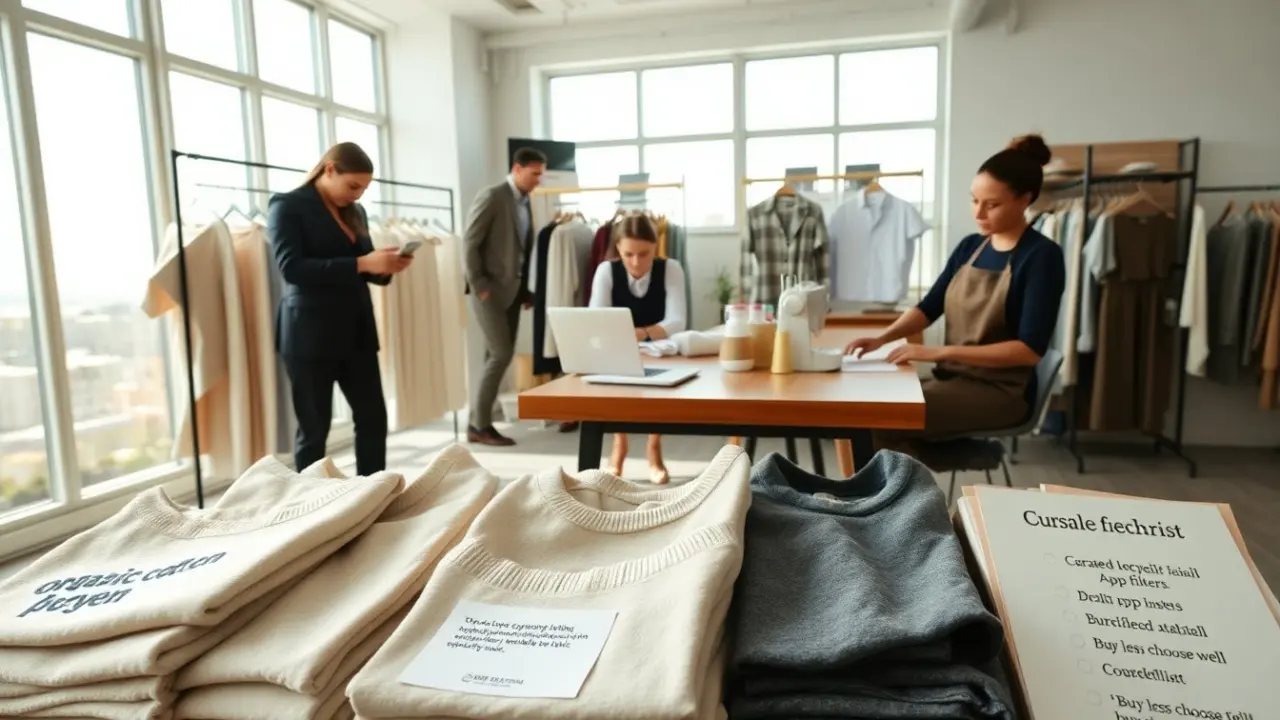
Thrift stores, charity shops, and resale platforms are essential tools for building an affordable sustainable fashion wardrobe. They offer well-made garments for a fraction of the original cost and let you access higher-quality brands without the new-item premium. Develop a quick inspection checklist: check hems, buttons, zippers, and lining; look for hidden stains under collars and armpits; assess pilling and fabric fatigue. Small repairs—replacing a button or patching a seam—are inexpensive compared with buying new.
Use filters on resale apps to search by size, brand, and condition so you spend less time browsing. For seasonal needs, watch end-of-season sales, sample sales, and outlet clearances from reputable brands; sign up for newsletters or waiting lists to catch significant markdowns. Local clothing swaps, community markets, and repair cafes are low-cost ways to refresh a wardrobe and learn maintenance skills.
Combine secondhand buying with informed new purchases: when you need a particular fit or a garment type that’s less available secondhand (like certain basics in your exact size), prioritize new items made from durable or recycled materials and with repair-friendly construction. Keep a short list of gaps in your wardrobe so purchases are purposeful rather than reactive.
Wardrobe Strategies For Maximum Value — Capsule Wardrobes, Repair, And Longevity
A capsule wardrobe is one of the most effective strategies for affordable sustainable fashion because it reduces purchase volume while maximizing outfit combinations. Start with a small core of neutrals—well-fitting trousers, a blazer or jacket, a versatile dress or skirt, and quality basics—and add three to five accent pieces that reflect your style. Prioritize fit and proportion: clothes that flatter you will be worn more often.
Track use with a simple log or a clothes-count method: if you notice items you wear fewer than ten times per year, consider selling, donating, or repurposing them. Regular maintenance—mending holes, reinforcing seams, replacing buttons, and reattaching hems—extends garment life at low cost. Learn basic sewing skills or build a relationship with a local tailor; minor alterations often transform the fit and usefulness of a garment.
Finally, think in terms of repairability and timelessness when buying: choose classic silhouettes, durable fabrics, and neutral colors that work across seasons and trends. Store clothes properly to avoid unnecessary wear—fold knits, use breathable garment bags for seasonal storage, and avoid over-washing. These steps keep clothes in circulation longer, lower the per-wear cost, and make affordable sustainable fashion a practical, long-term approach.