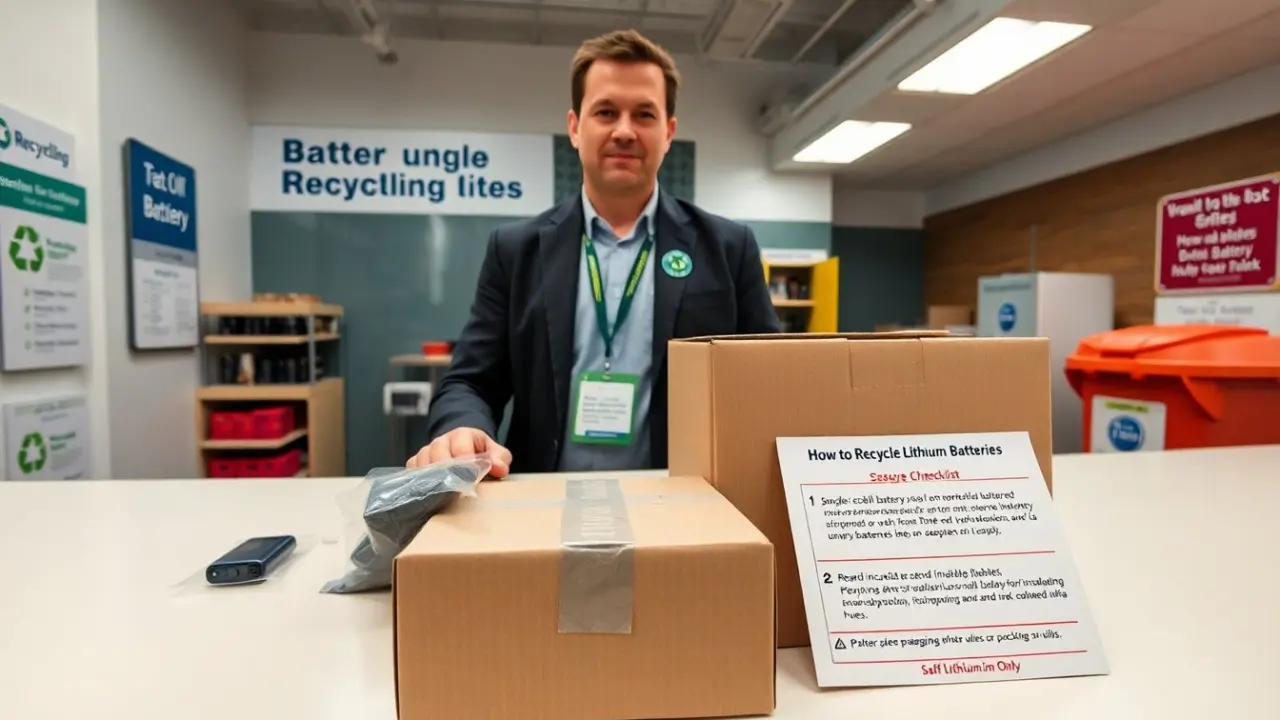
How to recycle lithium batteries is a common question for people who own phones, laptops, and tools. The guide gives clear steps and safety tips. It explains why recycling matters, where people can drop off batteries, and how they should prepare items for transport. The tone stays clear and confident. The guide aims to help readers reduce risk and cut environmental harm.
Key Takeaways
- Recycling lithium batteries safely reduces fire risks and environmental pollution caused by toxic metals like cobalt and nickel.
- Local drop-off centers, retail programs, mail-back options, and community collection drives are convenient ways to recycle lithium batteries properly.
- Always prepare batteries by inspecting for damage, covering terminals with electrical tape, and packing them in nonconductive containers to prevent short circuits during transport.
- Avoid disposing of lithium batteries in curbside trash or single-stream recycling since this can cause fires and is often against regulations.
- Following manufacturer and local government guidelines ensures compliance with safety rules, protects waste workers, and supports a circular supply chain for essential metals.
Why Proper Lithium Battery Recycling Matters — Risks, Environmental Impact, And Regulations
Lithium batteries can cause fires when people store or move them carelessly. They can short circuit when metal touches the terminals. They can leak toxic chemicals when crushed. These risks make it important to know how to recycle lithium batteries safely.
Used lithium batteries contain metals that pollute soil and water when people throw batteries in the trash. Heavy metals such as cobalt, nickel, and lithium can harm plants and animals. Recycling recovers those metals and reduces the need to mine new ore. Recycling lowers greenhouse gas emissions by cutting energy use for metal production.
Local and national rules require safe handling of many batteries. Many places ban disposal of lithium batteries in household trash. They set rules for transport, labeling, and drop-off. People who follow rules reduce hazard for waste workers and first responders. They also avoid fines that local authorities may apply.
Manufacturers and retailers now face producer-responsibility laws in several regions. These laws require companies to fund or run recycling programs. Programs offer more drop-off points and collection drives. They make it easier for people to learn how to recycle lithium batteries and to act responsibly.
Knowing the risks, the environmental impact, and the rules helps people make the right choice. It reduces fire risk, cuts pollution, and supports a circular supply chain for key metals. The practical value is clear: safer homes, safer workers, and less harm to nature when people learn how to recycle lithium batteries.
Where To Recycle Lithium Batteries — Local Drop‑Offs, Retail Programs, And Mail‑Back Options
Municipal recycling centers often accept lithium batteries at dedicated collection points. People should check the local government website to find hours and rules. Many centers run battery-only events on set days. They list which battery types they accept and which they do not.
Retailers offer convenient drop-off programs. Large electronics stores and some home improvement chains take used batteries at service desks. People can bring single-cell and multi-cell batteries depending on store policy. Retail programs often partner with certified recyclers. These partners follow transport and processing rules.
Some manufacturers and battery brands run mail-back programs. They send prepaid envelopes or boxes. People pack batteries in the provided container and drop the package at a carrier. Mail-back programs follow federal rules for shipping hazardous items. They work well for people who cannot visit a drop-off point.
Community collection drives and hazardous-waste events provide short-term options. Local groups, schools, and businesses sometimes host one-day collections. These events often accept laptop packs, phone batteries, and power-tool cells. People should confirm event rules before they arrive.
Certain retailers and recyclers accept battery packs from electric bikes and power tools. These packs often require special handling. People should not open or disassemble packs. Instead, they should follow the seller or manufacturer instructions on how to return or recycle the pack.
People should avoid curbside trash or single-stream recycling for lithium batteries. Curbside programs usually do not accept them. Placing batteries in curbside bins can spark fires in collection trucks. The safest route is a listed drop-off, a retail program, or a mail-back option.
Finding a nearby option is simple. People can use national search tools that list certified battery recyclers. They can also call local waste facilities or retailer customer service. These steps help people act quickly and follow rules on how to recycle lithium batteries.
How To Prepare Batteries For Drop‑Off Or Shipping — Safety Steps, Packaging, And Labeling
People should inspect each battery before they move it. They should not handle swollen, leaking, or damaged batteries without gloves. They should place those batteries in a nonconductive container and call the recycler or local hazardous-waste office for instructions.
People should cover battery terminals to prevent short circuits. They should use electrical tape, terminal caps, or nonconductive bags. They should tape each terminal on loose cells and small packs. For multi-cell packs, they should follow manufacturer guidance.
People should group batteries by type and chemistry when possible. They should not mix lithium-ion with alkaline or wet-cell batteries in the same sealed package. Mixes can increase the chance of reactions during transport.
People should place batteries in sturdy, nonconductive containers for transport. Cardboard boxes with insulating material work for many small cells. For larger packs, rigid plastic containers can help. People should fill empty space to prevent movement.
People who ship batteries must follow carrier rules and label packages correctly. Carriers require specific packaging and a hazard label for most lithium batteries. Some carriers require a shipper declaration. People should use the mail-back kit if the recycler provides one.
People should avoid taping multiple batteries together at the terminals. That practice can cause heat buildup. People should not wrap batteries in aluminum foil or place them near metal objects. They should keep batteries in a cool, dry place before drop-off.
People should bring proof of local program acceptance when they drop off batteries. They should follow employee instructions at retail counters or recycling centers. Staff can confirm that people have packed items correctly and can offer alternative options if staff refuse a shipment.
These steps reduce fire risk and help the recycler accept the shipment. They make the process safer for people, drivers, and recycling staff. They give clear direction on how to recycle lithium batteries with low risk.