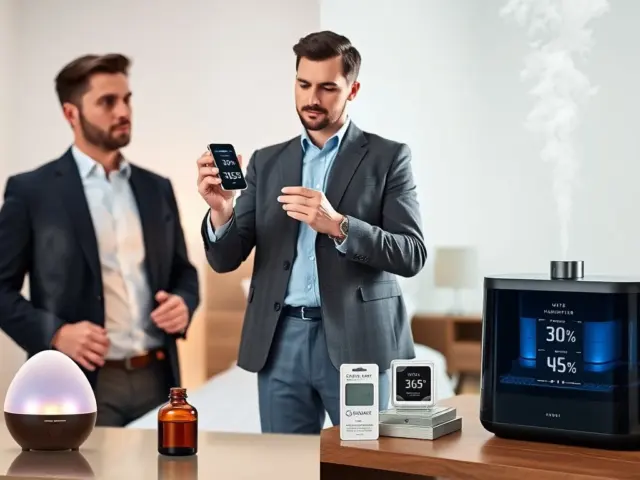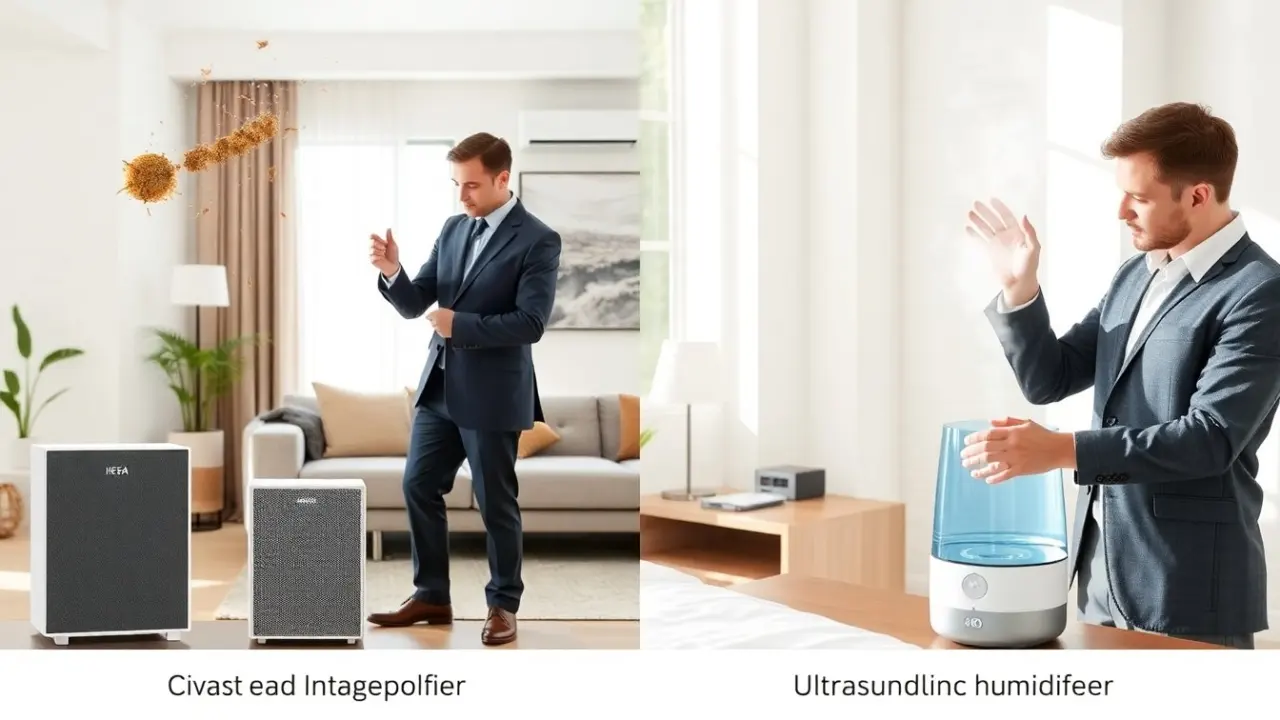
air purifier vs humidifier helps homeowners decide what device fits their needs. The guide compares how each device works, health benefits, and risks. The guide lists clear rules for buying, placement, and upkeep. The reader will learn which device improves sleep, reduces allergy triggers, and keeps indoor air comfortable.
Key Takeaways
- An air purifier effectively reduces airborne particles and allergens, improving indoor air quality and helping allergy and asthma sufferers.
- A humidifier adds moisture to the air, alleviating dryness symptoms like dry skin, sore throat, and nasal irritation, especially in low-humidity environments.
- Choose an air purifier if airborne particles or odors are the main issue, and select a humidifier when low humidity causes discomfort, keeping indoor humidity between 30% and 50%.
- Proper placement and regular maintenance—such as filter changes for purifiers and tank cleaning for humidifiers—are essential to ensure devices perform well and maintain air quality.
- Using both an air purifier and a humidifier together can benefit homes with both allergy triggers and dryness symptoms, but monitoring humidity and device conditions is crucial for safety and effectiveness.
- Consult a healthcare provider for personalized advice if you have medical conditions like COPD or severe asthma before using humidifiers, and prioritize certified devices to avoid risks like ozone emission or mold growth.
How Air Purifiers and Humidifiers Work — Key Functional Differences
An air purifier captures particles from the air. The device pulls air through filters or uses electrostatic charge. A HEPA filter traps dust, pollen, pet dander, and many mold spores. Some purifiers add activated carbon to remove odors and some gases. The purifier does not add moisture. The purifier reduces airborne particles that trigger allergy and asthma symptoms.
A humidifier adds water vapor to the air. The device releases moisture as cool mist or warm steam. The humidifier raises indoor relative humidity. The unit eases dry skin, dry throat, and nose irritation. The humidifier does not remove particles from the air. The humidifier can increase dust mite and mold growth if humidity rises too high.
They work for different problems. An air purifier targets airborne particles and some gases. A humidifier targets low humidity and dryness symptoms. A homeowner should match the device to the main indoor problem. If the house has high dust or pet dander, an air purifier will help. If the house has dry skin, dry throat, or static shock, a humidifier will help.
Power use and noise vary. Many air purifiers run on constant fan speed settings. Many humidifiers cycle or shut off when water runs low. Both devices need periodic cleaning. The purifier needs filter changes. The humidifier needs regular tank cleaning to avoid bacteria and mineral buildup. The maintenance affects long-term performance and air quality.
Size and coverage matter. Both devices list square footage or cubic feet coverage. The homeowner should choose a unit rated for the main living area. For open layouts, a larger unit or multiple units work better. Placement rules differ: purifiers work best where air flows: humidifiers work best near the room center or where occupants sleep.
Health Benefits, Risks, And When To Choose One Over The Other
An air purifier reduces allergy triggers and some airborne viruses. The device helps people who have allergy symptoms, asthma, or strong indoor odors. The purifier improves sleep for people who cough or sneeze at night. The device lowers fine particle counts, which can reduce irritation in the eyes and airways. The main risks are false security and poor maintenance. A clogged filter reduces effectiveness. Some cheap purifiers create ozone, and ozone can harm lungs. A buyer should choose certified HEPA units and verify ozone output.
A humidifier eases dry nasal passages and sore throats. The device improves comfort during winter when indoor humidity often drops. A humidifier can help people sleep through the night by reducing throat dryness and snoring caused by dry air. The main risks are over-humidification and poor cleaning. High humidity promotes mold and dust mite growth. A poorly cleaned humidifier spreads bacteria and minerals into the air. A homeowner should keep indoor relative humidity between 30% and 50% to limit these risks.
When the home has allergy triggers, the device choice is clear. Choose an air purifier for particles and odor control. Choose a humidifier when dryness causes symptoms and humidity falls below 30%. In many homes, both devices bring benefits. For example, a person with allergies and dry skin might use an air purifier and a humidifier together. They should monitor humidity with a hygrometer and keep purifier filters current.
Medical conditions change the recommendation. A person with COPD or severe asthma should consult a clinician before adding a humidifier. A clinician can advise on safe humidity targets and device types. People with severe allergies may benefit more from a HEPA air purifier in bedrooms and living spaces. Parents of infants often use a humidifier to ease congestion, but they should follow cleaning and humidity limits to prevent mold growth.
Cost and long-term expense matter. Air purifiers incur filter replacement costs and electricity use. Humidifiers incur water use and regular cleaning. The buyer should factor these costs into the decision. Warranties and certifications help identify reliable devices. Look for AHAM or CARB certifications for purifiers and clear manufacturer cleaning guidance for humidifiers.
Buying, Placement, And Maintenance Tips To Get Best Results
Buy a device sized for the room. Check the CADR or square-foot rating for purifiers. Check the output and run time for humidifiers. They should meet the area needs and run without constant refilling or throttling.
Place an air purifier near the main breathing zone. A bedroom purifier sits close to the head of the bed. Place the unit where air flows freely and away from walls. Avoid enclosed cabinets. For open-plan homes, place the purifier near the main seating area.
Place a humidifier where occupants sleep or gather. Put the humidifier on a level surface and away from electronics and wood furniture. Place the unit where mist disperses into the room and not into textiles or walls. Use a hygrometer and adjust the device until humidity stays between 30% and 50%.
Change filters and clean on schedule. Replace HEPA and carbon filters as the manufacturer recommends. Clean pre-filters monthly if present. Clean humidifier tanks daily if possible. Empty and dry the tank between uses to prevent bacteria growth. Descale mineral buildup weekly if using hard water.
Choose distilled water for ultrasonic humidifiers when possible. Distilled water reduces mineral dust and white residue. Use evaporative or warm-mist models if distilled water is not available. Follow manufacturer steps for deep cleaning and filter replacement.
Run devices at night if they help sleep. Many purifiers have quiet modes for bedroom use. Humidifiers often have automatic shutoff when the tank is empty. Use timers or smart plugs to manage runtime and energy use.
Monitor indoor conditions. Use a hygrometer for humidity and an air quality monitor for particles if possible. The homeowner can make data-driven changes. If particle counts stay high, move the purifier or add a second unit. If humidity exceeds 50%, lower the humidifier output or open a window for a short period.