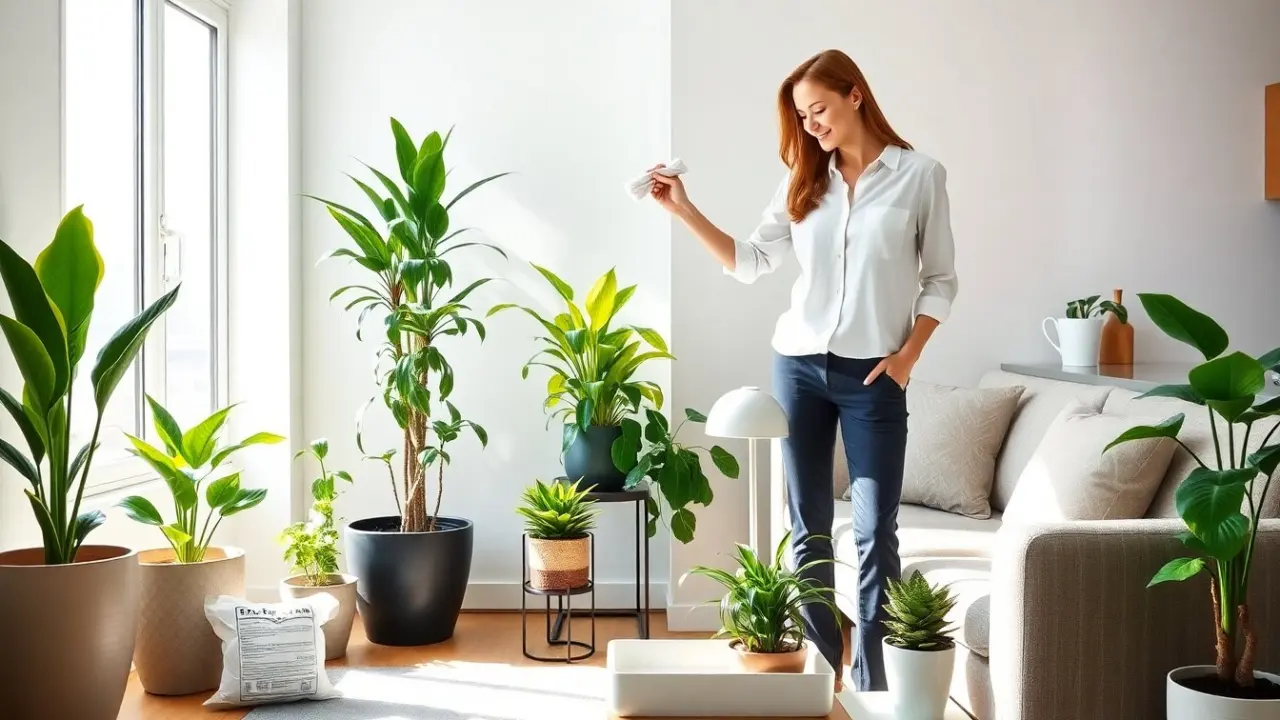
The best indoor plants for air quality can reduce indoor pollutants and add green life to rooms. This guide lists proven plants, simple care steps, and realistic expectations. Readers will learn which plants remove common VOCs, which plants suit low light or small spaces, and how to place and care for plants so they help air quality.
Key Takeaways
- The best indoor plants for air quality gradually reduce indoor pollutants and work best alongside ventilation and source control.
- Low-maintenance plants like snake plant, pothos, and spider plant improve air quality over time with minimal care.
- Small spaces benefit from compact, non-toxic plants like snake plant and parlor palm that fit low-light areas and protect pets.
- Place air-purifying plants near where people spend time and pollutant sources for maximum localized benefit.
- Regular care—including proper watering, soil choice, leaf cleaning, pruning, and pest control—maximizes air-purifying effects of indoor plants.
- Combining the best indoor plants for air quality with air filters and open windows enhances overall indoor air cleanliness.
How Indoor Plants Improve Air Quality — What Science Says And What To Expect
Scientists study how plants interact with air in rooms. Plants absorb gases through leaves and roots. Soil microbes break down some compounds. Studies show plants remove VOCs such as formaldehyde and benzene in controlled rooms. Real homes have ventilation, furniture, and cleaners that affect air. A plant will lower some pollutants, but it will not match a mechanical filter for rapid whole‑house cleaning. People should expect gradual improvement and localized benefits near clusters of plants. The best indoor plants for air quality work best when combined with ventilation and source control.
Mechanisms at work include leaf uptake through stomata, adsorption of airborne particles on leaf and pot surfaces, and degradation of compounds by rhizosphere microbes in the potting mix. Different species vary in leaf area, transpiration rates, and root‑zone biology, which affects how they interact with particular pollutants. For example, broad, waxy leaves collect dust and particles efficiently while highly transpiring plants influence indoor humidity and air movement.
Practical expectations are important: indoor plants contribute to slower, cumulative reductions and stronger localized benefits around seating areas, kitchens, and other pollutant sources. They are most effective as part of a layered approach—reducing sources (cleaning products, off‑gassing materials), increasing ventilation, and using mechanical filtration when quick or whole‑home improvements are needed. Results depend on plant size, number, health, and placement rather than a single “air‑purifying” label.
Top Low‑Maintenance Air‑Purifying Plants For Busy Homes
These plants require little care and still improve air quality over time. People choose them for busy schedules and mixed light conditions. The following three options balance ease and performance. Owners will place multiple pots for greater effect.
- Snake plant (Sansevieria/Dracaena trifasciata) — Very drought tolerant, tolerates low light, and offers upright leaves that increase leaf area per pot. Good for corners and narrow spaces.
- Pothos (Epipremnum aureum) — Fast growing, tolerates a range of light levels, and is ideal for hanging pots or shelves to add vertical leaf area. Easy to propagate so owners can multiply plants from one starter.
- Spider plant (Chlorophytum comosum) — Hardy, handles occasional neglect, and produces many offshoots that boost leaf surface. Performs well in medium to bright indirect light and tolerates variable humidity.
Additional low‑maintenance choices to consider include ZZ plant for very low light, parlor palm for soft foliage in shaded corners, and cast iron plant for rooms with minimal light and irregular care. Peace lily is often recommended for VOC removal but requires more consistent watering and is toxic to pets, so use caution in homes with curious animals. For the best indoor plants for air quality in busy households, favor species that tolerate inconsistent schedules and are resilient to brief droughts or low light.
Care tips for busy owners: choose larger pots for greater soil volume and stability, group several small pots to increase local leaf area, and place plants where they receive at least the minimum light required rather than in deep shade. Rotate pots occasionally so all sides receive light and maintain even growth.
Best Plants For Small Apartments, Low Light, And Pet‑Sensitive Homes
Small spaces need compact plants with strong impact. The snake plant fits tight corners and needs little light. Pothos works well in a single hanging pot to save floor space. For pet‑sensitive homes, people pick plants labeled non‑toxic or place toxic plants out of reach. The parlor palm and ZZ plant occupy low light corners and add leaf area without wide spread. The best indoor plants for air quality in apartments deliver leaf surface area per square foot. Owners should group small pots to create a mini green filter near living zones and avoid heavily scented plants that irritate pets or people.
Space‑saving strategies:
- Use hanging baskets or wall shelves to add vertical planting without reducing floor area.
- Try terrariums or a small cluster of pots on a windowsill for concentrated leaf area where people spend time.
- Opt for columnar or upright species (snake plant, narrow palms) instead of spreading groundcover that needs more footprint.
Pet considerations: when pets are present, research toxicity for each species and use elevated placements, plant stands with barriers, or protective covers to prevent chewing. Non‑toxic species and well‑secured pots reduce risk while still contributing to air quality. In very low‑light apartments, supplement plants with bright, indirect light sources (grow LEDs) if needed to keep foliage healthy; stressed plants lose leaf area and therefore reduce air‑cleaning potential.
Care Tips To Maximize Air‑Purifying Benefits (Placement, Watering, Soil, And Maintenance)
Place plants where people spend most time and near pollutant sources. For example, put a pothos by a window and a spider plant in the kitchen. Water on a schedule suited to each species. Use well‑draining potting mix for snake plant and ZZ plant. Use a looser mix for pothos and spider plant. Clean leaves monthly to keep stomata open and improve gas exchange. Prune dead leaves so the plant focuses energy on healthy growth. Repot when roots crowd the pot to keep soil aerated. Check for pests weekly and treat early to protect plant health. Pair plants with an air filter and open windows when possible to get measurable air quality gains. The best indoor plants for air quality deliver steady, localized removal when people follow these care steps.
Watering and soil: learn each species’ water cues rather than following a rigid calendar—signs such as slightly dry topsoil for succulents or wilting for high‑water species are useful. Overwatering is one of the most common problems; it leads to root rot and reduced plant vigor, which diminishes the plant’s ability to interact with air. Use potting mixes with good drainage and consider a layer of coarse material or a pot with drainage holes to avoid waterlogging.
Light, placement, and grouping: place plants where they receive appropriate light for the species and where occupants spend time. Grouping plants increases local humidity and creates a larger effective leaf area for pollutant uptake; arrange groups near kitchens, workspaces, or entryways where VOCs and odors often originate. Rotate plants periodically so all foliage receives light and so growth remains balanced.
Maintenance and pest management: wipe leaves with a damp cloth or soft brush to remove dust and enable better gas exchange. Prune spent flowers and yellowing leaves to direct energy to new growth. Inspect plants weekly for pests—early signs include sticky residue, fine webbing, or stunted growth—and isolate affected plants until treated. For pest control, use non‑toxic options when possible (manual removal, rinsing, or soap sprays) and follow product directions if chemical treatments are needed.
Seasonal care and fertilizer: growth slows in cooler months; reduce watering and delay heavy fertilizing in dormancy periods. During active growth, a balanced, low‑strength fertilizer applied according to package directions supports leaf production, which in turn increases air‑purifying surface area. Finally, remember that healthy, well‑maintained plants offer the best long‑term benefits—regular care, appropriate placement, and combining plants with ventilation and filtration provide the most reliable improvements in indoor air quality.