How to improve indoor air quality starts with clear actions a homeowner can take today. This guide lists practical steps that reduce pollutants, increase airflow, and help systems run better. It gives easy measures that cost little and options that require investment. The goal is cleaner air, fewer symptoms, and safer rooms for family and guests.
Key Takeaways
- Improving indoor air quality starts with reducing pollutants through ventilation, filtration, and source control.
- Enhancing airflow by using exhaust fans, opening windows strategically, and avoiding vent blockages lowers indoor pollutant levels.
- Upgrading to HEPA or activated carbon filters in air cleaners and HVAC systems effectively captures particles and odors for cleaner air.
- Controlling indoor humidity between 30% and 50% helps prevent mold growth and reduces allergens.
- Regular maintenance of HVAC systems, including timely filter changes and duct cleaning, ensures optimal indoor air quality and system efficiency.
- Choosing low-VOC products and limiting indoor smoking or incense use minimizes pollutant sources to improve indoor air quality.
Why Indoor Air Quality Matters For Health And Comfort
Indoor air quality affects breathing, sleep, and daily energy. Poor air raises allergy and asthma symptoms. It can increase headaches and fatigue. Children and older adults show higher sensitivity to pollutants. A home with clean air reduces illness spread and improves rest. They can expect better concentration and fewer respiratory flare-ups. Knowing why indoor air quality matters helps people choose the right fixes. Small changes often produce noticeable benefits within days.
Common Indoor Pollutants And How To Spot Them
Common indoor pollutants include dust, pollen, pet dander, mold spores, volatile organic compounds (VOCs), and combustion particles. Homeowners can spot issues by watching for visible dust, musty smells, and persistent odors after painting or new furniture. They can notice increased sneezing, eye irritation, or lingering smoke smells. High humidity can signal mold growth behind walls. Yellowing on ceilings can signal combustion soot. Simple tests, like moisture meters and DIY mold kits, help confirm problems. Visible signs and symptoms guide the next steps.
Improve Ventilation And Airflow Throughout Your Home
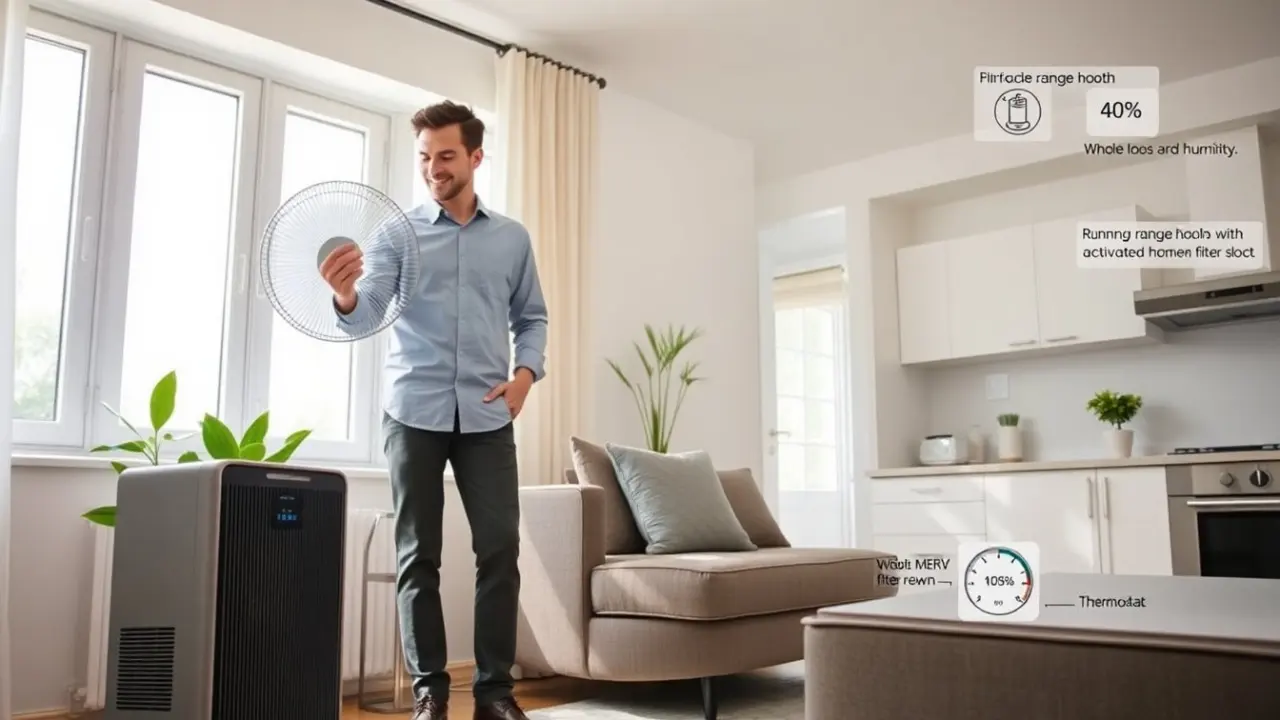
Ventilation reduces pollutant buildup and lowers indoor concentrations. Homeowners should open windows when outdoor air is cleaner. They should use trickle vents or timed window openings to avoid drafts. They should keep interior doors open to improve whole-house flow. They should avoid blocking vents with furniture or curtains. They should run range hoods while cooking and bathroom fans during showers. Regularly checking that fans vent outside, not into attics, prevents moisture and pollutants from moving into living spaces.
Use Exhaust Fans, Cross-Ventilation, And Smart Vent Strategies
Exhaust fans remove moisture and odors at the source. Cross-ventilation moves air from one side of the home to the other. Homeowners should place a window fan to push stale air out while pulling fresh air in. They should pair an open window with a higher exit point like an opposite window or door. They should run bathroom and kitchen exhausts during and after use. Smart controls can schedule fan runs when outdoor air is good. These steps help people control indoor pollutant levels without constant manual action.
Upgrade Filtration: Air Cleaners, Filters, And Whole-Home Options
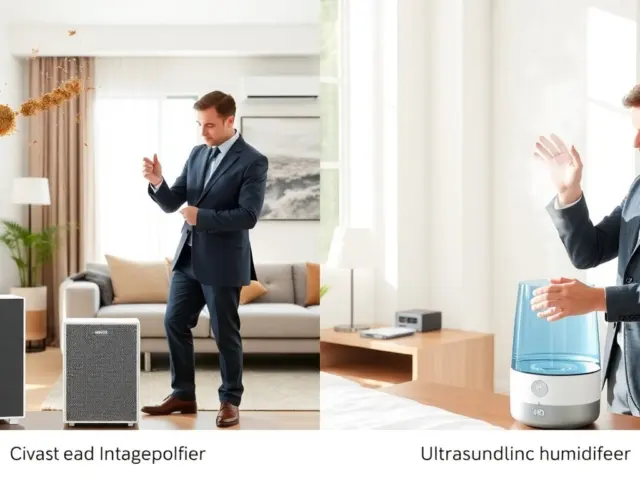
Filtration removes particles and some gases from indoor air. Portable air cleaners with HEPA filters capture small particles efficiently. Whole-home filters in HVAC systems reduce dust and pollen across many rooms. Homeowners should match unit size to room size for best results. They should run air cleaners continuously at a moderate speed to reduce peaks. They should place purifiers near pollution sources or where people spend most time. Combining local air cleaners with whole-home filtration gives layered protection and steadier air quality.
Choosing The Right HEPA, MERV, Or Activated Carbon Filter
A HEPA filter captures at least 99.97% of particles at 0.3 microns. A higher MERV rating filters smaller particles but may restrict airflow in older HVAC systems. Homeowners should check their furnace or air handler limits before choosing a high-MERV filter. Activated carbon filters adsorb odors and many VOCs. For smoke or strong smells, adding activated carbon helps. They should replace filters on the manufacturer schedule. They should inspect filters monthly during heavy-use seasons and change them when they show dirt or reduced airflow.
Reduce Indoor Sources, Control Humidity, And Maintain Systems
Reducing sources lowers the pollutant load indoors. Homeowners should choose low-VOC paints and cleaning products. They should avoid indoor smoking and limit candle or incense use. They should store chemicals in sealed containers and ventilate during use. Humidity control prevents mold and dust mite growth. Keeping relative humidity between 30% and 50% reduces those risks. They should use dehumidifiers in basements and humidifiers in very dry seasons, with regular cleaning. They should schedule HVAC tune-ups, clean ductwork when needed, and change filters on time to keep systems efficient.