A spiral bulb cracks on the hall floor, or a drawer fills with dead tubes. Knowing how to recycle light bulbs starts with whether the bulb holds mercury: CFLs, fluorescent tubes and HID bulbs do; LEDs do not.
The bulb type decides the route, the handling and the urgency. For the wider picture, see our guide to household products that contain mercury.
Which bulbs contain mercury
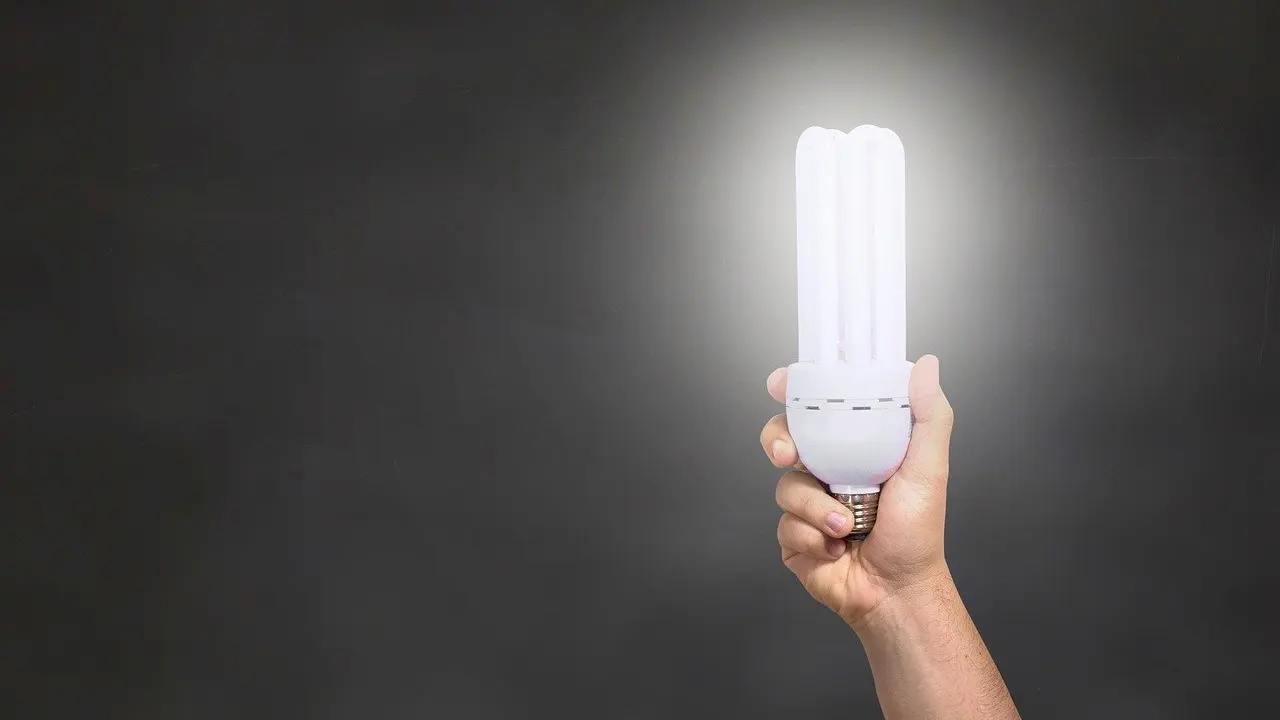
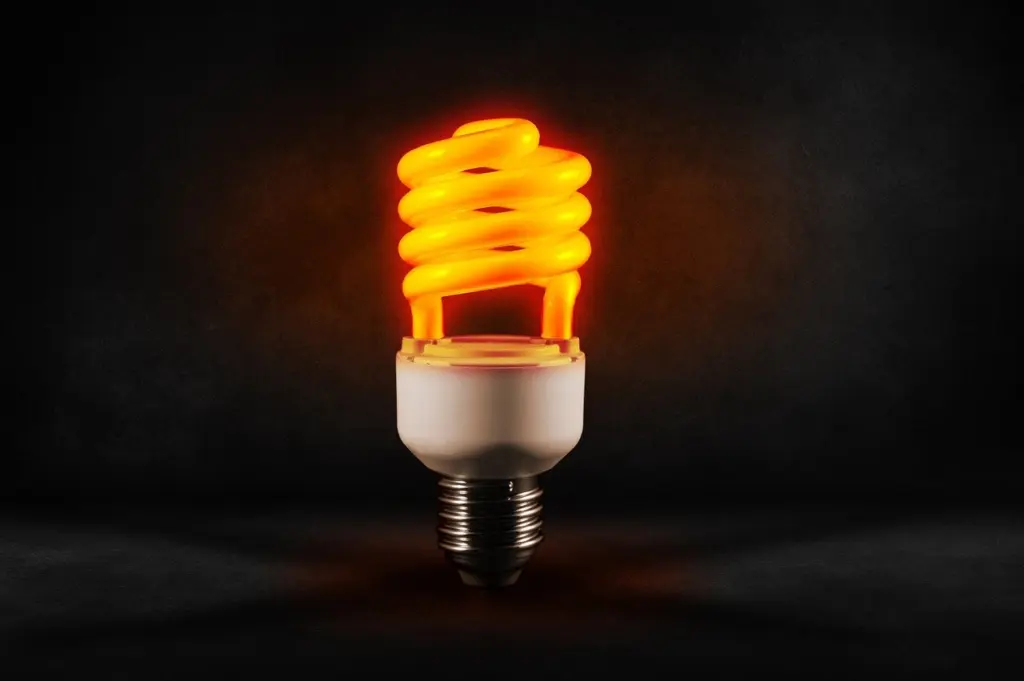
Compact fluorescent lamps (CFLs) contain a small amount of mercury sealed within the glass tubing, and the EPA lists several other bulb families alongside them. Linear, U-tube and circline fluorescent tubes are on that list. So are high intensity discharge (HID) bulbs: metal halide, ceramic metal halide, high pressure sodium and mercury vapor. If a bulb is on one of those lists, treat it as a recycling item rather than ordinary rubbish.
| Bulb type | Mercury status | Planning use |
|---|---|---|
| CFL (spiral or folded tube) | Small amount of mercury sealed in the glass tubing | Send it to a local recycling option and keep it intact on the way. |
| Linear, U-tube and circline fluorescent tubes | Listed by the EPA as mercury-containing | Use the same recycling route as CFLs, and check local rules because some localities require recycling. |
| HID bulbs (metal halide, ceramic metal halide, high pressure sodium, mercury vapor) | Listed by the EPA as mercury-containing | Confirm that the drop-off site accepts HID lights before you travel. |
| LED bulbs | No mercury, but other hazardous substances such as lead and arsenic | Not a mercury problem; follow local disposal guidance. |
Mercury status comes from the EPA’s list of mercury-containing bulbs, and the LED entry from Recycle Coach’s bulb disposal guide.
Misunderstandings about trash, small amounts and LEDs
Most disposal mistakes come from a handful of assumptions. Each one has a more accurate version.
- “A small amount of mercury is not worth the effort.” Because CFLs contain a small amount of mercury, the EPA recommends that consumers use available local recycling options. Washington’s Department of Ecology adds that when a mercury-containing bulb breaks, some of the mercury is immediately released to the air. That is the reason to keep bulbs whole until they reach a collection point.
- “Any bulb can go in the bin.” That holds only where the rules allow it. The EPA says to check with your local government about disposal requirements, because some localities require fluorescent bulbs to be recycled. Where a state or local agency does permit used or broken CFLs in the garbage, ENERGY STAR advises sealing them in two plastic bags and putting them in the outside trash. Recycling remains the better default where it is available.
- “Burning is a clean way to get rid of old bulbs.” It is not. ENERGY STAR states that a fluorescent bulb or any other mercury-containing product should never be sent to an incinerator.
- “LEDs need the same treatment as CFLs.” LEDs contain no mercury. Washington State University’s environmental health office says LED bulbs are considered nonhazardous and can go in the normal trash on its campus. Recycle Coach points out that LEDs are made with other hazardous substances such as lead and arsenic. If your area runs an LED collection, use it; if not, the trash is a reasonable fallback where local rules permit.
Preparing bulbs for drop-off
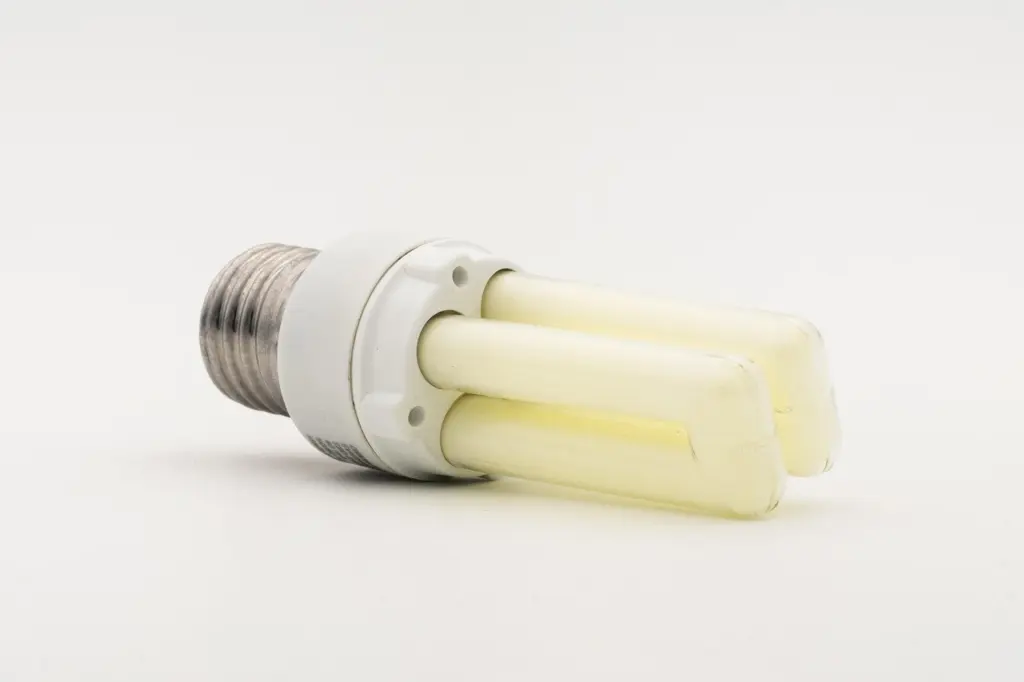
Preparation is mostly about keeping the glass intact. Take-back offers are written for used, unbroken CFLs, so an unbroken bulb is the easiest to place. Store spent CFLs and tubes somewhere dry and out of the way, away from foot traffic and children, until you have enough for one trip.
A bulb that has already cracked needs a different approach. Washington’s program requires broken lights to be placed in a sealed plastic bag or container before they are recycled, and the same logic applies wherever you drop them off. Do not bundle fragments loose with intact bulbs.
Where to take used bulbs
Start with the retailer you already shop at, then check your state program. Rules differ by location, so use the options below as a map rather than a guarantee.
Retail take-back
According to ENERGY STAR, many retailers, including Home Depot, Lowe’s and IKEA, take back used, unbroken CFLs for free. This suits a household with a few spiral bulbs, because the trip can be combined with a normal shopping run. It does not cover broken bulbs, and the other mercury-containing types may be handled differently.
State and local programs
Washington’s LightRecycle program shows how detailed state rules can be. It covers bulbs bought at retail in Washington, and it takes an unlimited number of screw-base CFLs of any length, up to 15 pin-based lights up to 8 ft long, and two HID lights per day. Those limits matter if you are clearing a workshop full of tubes, because you may need several trips. Residents of other states should look for their own environmental agency’s page and for a household hazardous waste site, since quantities and accepted types vary.
If a CFL breaks at home
A broken CFL is manageable if you stay calm and follow the EPA’s cleanup steps in order. If you would rather have the materials gathered in advance, a mercury spill kit keeps the basics in one place.
- Clear the room. Have people and pets leave, then air out the room for 5-10 minutes by opening a window or door.
- Stop the airflow. Shut off the central forced air heating or air-conditioning system, if you have one.
- Scoop, do not sweep. Carefully pick up glass fragments and powder with stiff paper or cardboard, then use sticky tape for any remaining fragments.
- Contain the debris. Put it in a glass jar with a metal lid, or in a sealable plastic bag, and remove the plastic bag from the home after cleanup.
- Move it outside. Promptly place all bulb debris and cleanup materials in an outdoor trash container or protected area.
- Wash up. Wash your hands with soap and water after disposing of the jars or bags.
Do not vacuum. The EPA says vacuuming is not recommended unless broken glass remains after all other cleanup steps have been taken. Where your area has its own disposal rule for the debris, it takes precedence over a general trash option.
Low-waste habits extend beyond the lamp cupboard; our guide Zero Waste Makeup: The Practical 2026 Guide To Cleaner, Low-Waste Beauty – Mercurywatch covers another everyday category.
Frequently asked questions
| Question | Answer |
|---|---|
| Does recycling bulbs cost anything? | Retail take-back of unbroken CFLs is free at stores such as Home Depot, Lowe’s and IKEA. Washington’s program is free to use, and it is funded by a handling charge, currently 95 cents per bulb, on retail sales. |
| Should I call a collection site before going? | Yes. In Washington, not all locations accept all types of lights, and some have drop-off limits, so 1-800-RECYCLE is the number to check first. Elsewhere, confirm with the site or your local government. |
| Can incandescent bulbs go in the household trash? | Usually yes. Recycle Coach says incandescent bulbs and lamps can be tossed into the trash, and a broken one should be wrapped first so the glass does not injure anyone. |
| Can a bulb that is already broken still be recycled? | Yes, in Washington’s program it must first be sealed in a plastic bag or container. Other programs may set their own conditions, so check before dropping it off. |