How to recycle old furniture starts with a clear choice. The reader assesses damage, materials, and value. They decide to reuse, repair, donate, sell, or recycle. This article lists practical steps. It keeps instructions simple. It helps people reduce waste and save money while they make a good local impact.
Key Takeaways
- Recycling old furniture starts with assessing condition to decide between reuse, repair, or recycling based on material and safety.
- Preparing furniture for donation or recycling includes cleaning, sorting, labeling, and confirming acceptance with local centers.
- Disassemble furniture to separate recyclable components, remove hazardous materials, and follow local disposal regulations carefully.
- Explore local donation centers, curbside pickups, and recycling facilities to find convenient and environmentally beneficial recycling options.
- Upcycling old furniture with simple DIY projects can extend its life and add value while reducing waste.
- Selling or giving away furniture online requires honest descriptions, clear photos, and safe transaction practices to ensure responsible reuse.
Assess Condition And Decide Between Reuse, Repair, Or Recycling
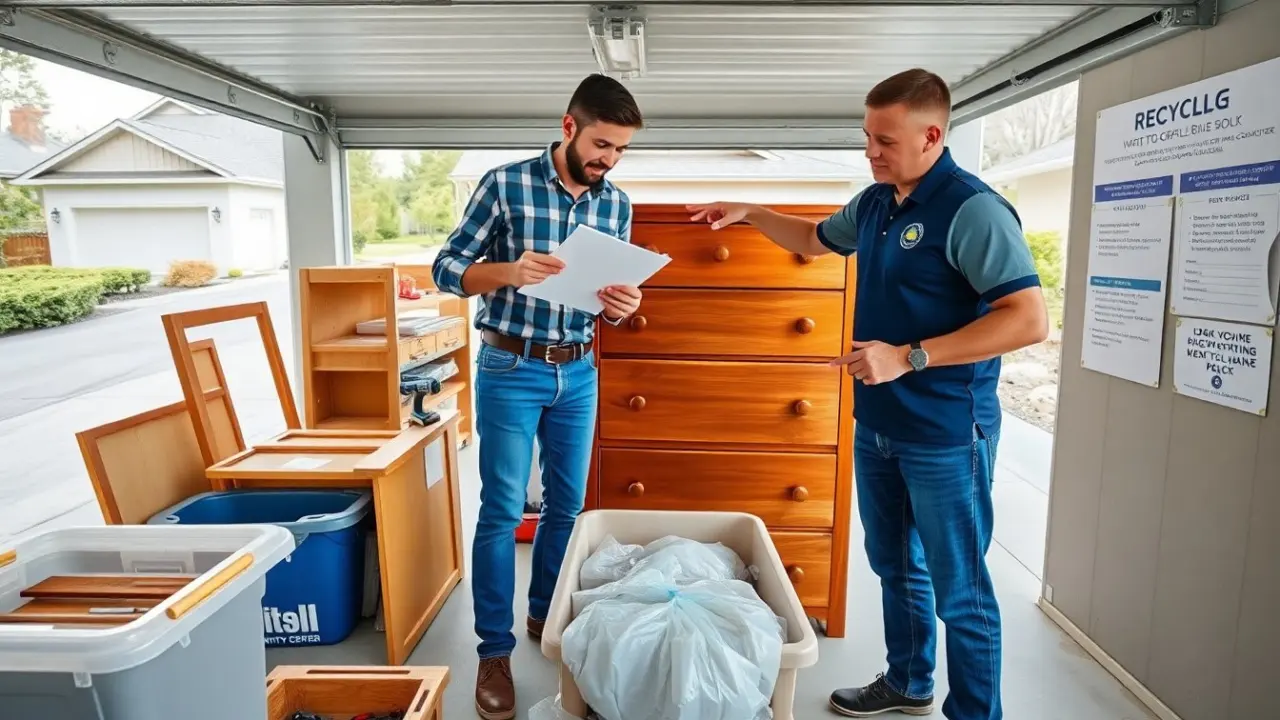
They inspect each piece for structure, finish, and safety. They test drawers, legs, and joinery for stability. They note materials: solid wood, plywood, particleboard, metal, fabric, or foam. They look for stains, mold, pests, or asbestos in older glue or insulation. They weigh cost to repair against replacement price. If repair cost stays below half of replacement cost, they repair. If a piece holds sentimental or functional value, they reuse. If a piece has hazardous materials or mixed materials that local programs reject, they recycle or dispose properly. They document decisions and move pieces to the next step.
Prepare Furniture For Donation Or Recycling
They sort items by type and condition. They remove small parts that could break or cause harm. They clean surfaces to increase chances of acceptance. They label items with brief notes about defects or missing pieces. They confirm that the receiver accepts the item type. They pack or wrap fragile parts to avoid damage in transit. They prepare a short list of contents and condition for pickup services or drop-off. They keep receipts when required for tax deductions.
Disassemble, Clean, And Remove Hazardous Materials
They disassemble large pieces to fit vehicles and to separate recyclable components. They remove nails, screws, and metal fasteners. They clean wood with mild soap and water. They vacuum and steam clean fabric to remove dust and pests. They handle foam and vinyl by checking local rules. They test finishes for lead or asbestos only with certified kits or pros. If they find hazardous materials, they contact a hazardous-waste program. They label hazardous parts and follow local disposal rules.
Local Options: Donation Centers, Curbside Pickup, And Recycling Facilities
They locate nearby donation centers that accept furniture. They check charity rules for condition and size limits. They contact municipal waste services for curbside pickup rules. They verify whether pickup requires scheduling or fees. They search for dedicated recycling facilities that accept wood, metal, or upholstery. They confirm accepted materials and preparation requirements before transport. They compare convenience, cost, and environmental benefit. They select the option that fits time, distance, and item type.
Upcycling Ideas And Simple DIY Projects To Extend Furniture Life
They paint old dressers to refresh a room. They replace drawer pulls to modernize style. They convert a table into a bench by cutting and reinforcing legs. They reupholster chairs using affordable fabric and foam. They turn a headboard into a shelving unit with brackets. They sand and refinish solid wood to restore shine. They use simple tools: sandpaper, drill, staples, brushes, and a saw. They sell or gift upcycled pieces when finished. They track time and cost to decide if upcycling pays compared to selling or recycling.
Sell, Give Away, Or List Responsibly Online
They photograph items clearly from multiple angles. They write honest descriptions that list dimensions, condition, and defects. They use local marketplace platforms to avoid long-distance shipping. They set fair prices and state pickup rules. They remove personal data from items with storage compartments. They arrange meetups in safe, public places or use porch pickup. They donate unsold items to a charity and cancel listings. They mark items as recycled or repurposed when completed to close the loop.