How to reduce food waste with technology guides people to cut waste at home and at work. The guide shows clear tools and simple steps. It lists tracking apps, better storage, smarter planning, and business systems. It shows measures that save money and resources. It helps readers pick solutions that fit their routine and budget. Below are practical approaches, common pitfalls, and step-by-step actions so households, retailers, and food-service operations can move from intent to measurable results.
Key Takeaways
- Using technology to reduce food waste helps households and businesses save money and conserve resources effectively.
- Tracking apps, smart storage solutions, and meal-planning tools enable households to monitor and reduce food spoilage.
- Businesses can decrease waste and improve profits with forecasting software, dynamic pricing, and donation platforms.
- Sensors and image recognition help retailers spot spoilage early, while blockchain tracks food origin and shelf life.
- Setting clear goals, piloting technology, and measuring outcomes ensures successful adoption of waste-reducing tools without creating additional waste.
Why Reducing Food Waste Matters And How Technology Helps
Food loss wastes money and resources. At every step — production, transport, retail, and home — edible food is lost when it could have been consumed or diverted. Wasted food represents not only lost calories but also the land, water, labor, and energy that produced it. For businesses, food waste is a direct hit to margins; for households, it inflates grocery bills. For communities and governments, it drives higher landfill volumes and increased emissions from decomposition.
Technology helps by making invisible problems visible and by automating responses so people can act faster and with less friction. Common technological roles include:
- Detection — sensors, weight scales, and image recognition identify spoilage, temperature excursions, or inventory mismatch earlier than manual checks.
- Visibility — tracking apps and connected inventory systems show what you have, what’s expiring, and where losses happen across a supply chain or kitchen.
- Prediction — analytics and forecasting tools use historical patterns and contextual signals (seasonality, local events) to suggest smarter ordering and production levels.
- Activation — automated alerts, recipe suggestions, and dynamic repricing prompt users or staff to use, donate, or discount items before they spoil.
These functions work at different scales: a simple notification to use milk before it sours; or a multi-site forecasting engine that reduces overstock across dozens of stores. The key is matching the right technology to the specific point where food is being lost so investments deliver measurable reductions in waste and associated costs.
Practical Tech Tools For Households: Tracking, Storage, And Meal Planning
Households can cut loss with a few targeted tools and small habit changes. Start by choosing one or two complementary solutions rather than installing many new gadgets at once. Practical household tools include:
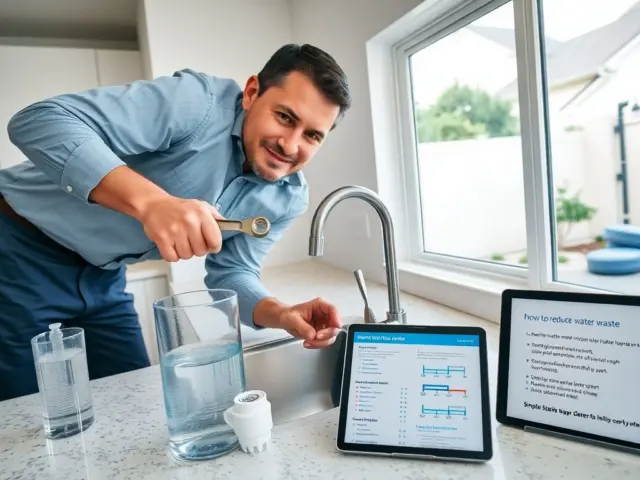
- Inventory and tracking apps — simple apps let you log items, record purchase dates, and get reminders when items approach their best-by dates. Use quick entry methods (barcode scan or voice) so logging becomes effortless.
- Smart sensors and temperature monitors — inexpensive fridge/freezer sensors alert you to temperature spikes that accelerate spoilage; place sensors near perishable items or in multiple compartments if you have different zones.
- Better storage and containers — airtight containers and vacuum-seal options extend freshness. Clear, labeled containers make it easy to see quantities at a glance and avoid duplicate purchases.
- Meal-planning and recipe suggestion tools — apps that suggest recipes based on ingredients you already have reduce the likelihood that those items go unused.
- Receipt and barcode scanning — automating pantry updates by scanning receipts or barcodes cuts manual entry errors and keeps lists current when multiple household members shop.
Practical steps to make these tools effective:
- Audit what you currently throw away for two weeks — note types of food and why they were wasted (forgotten, spoiled, over-purchased).
- Pick one tracking app and one storage change (e.g., consistent labeling system). Use them for 30 days and track whether waste falls.
- Establish simple rules: first in/first out, one “eat-me-first” shelf, and weekly meal planning synced to your inventory app.
- Involve the household: share app access or assign a “kitchen manager” for shopping and meal prep coordination.
Common pitfalls to avoid: over-automating with devices you don’t use, buying specialty gadgets that create more packaging waste, or choosing tools that are hard to integrate with family routines. The goal is practical, sustained behavior change supported by lightweight tech — not complexity for its own sake.
Technology Solutions For Businesses And Retailers: Forecasting, Donations, And Dynamic Pricing
Businesses face waste across supply chains, from procurement to store-level shrink. Technology can reduce these losses at scale when paired with operational changes. Key solutions include:
- Demand forecasting and inventory optimization — software that ingests POS (point-of-sale) data, weather, promotions, and local events to recommend order quantities and timing. The result is fewer overorders and markdowns.
- Dynamic pricing engines — systems that apply tiered price reductions to items as they near expiry, increasing sell-through before items become unsellable.
- Donation and redistribution platforms — integrations that match surplus inventory to charities and food banks quickly, reducing disposal costs and improving community outcomes.
- Sensor networks and image recognition — cameras and sensors monitor back rooms, storage racks, and displays to flag spoilage, cross-contamination, or improper storage conditions for immediate action.
- Route optimization and cold-chain monitoring — logistics software reduces transit time and temperature excursions that lead to spoilage for perishable deliveries.
Implementation advice for businesses:
- Start with a focused pilot in one store or product category. Track a small set of metrics (waste weight, markdowns, donation volumes, and margin recovery).
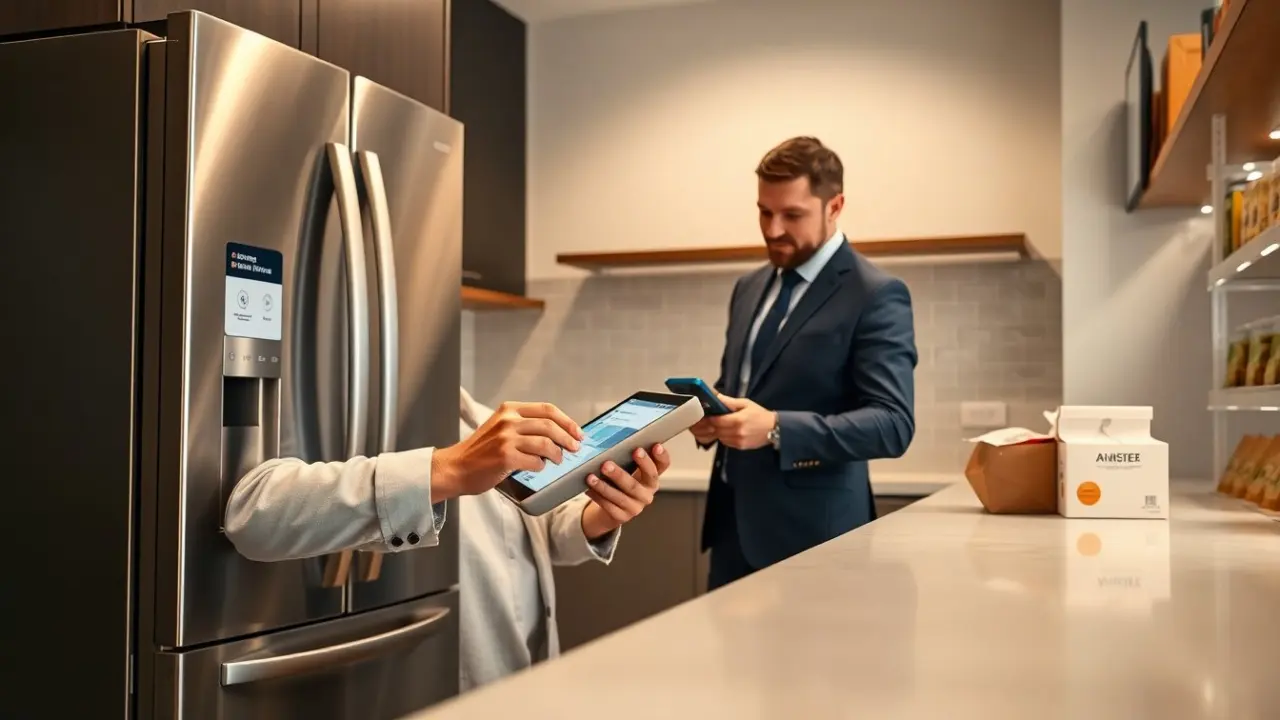
- Integrate systems with existing POS and inventory databases so staff see actionable recommendations in the tools they already use.
- Train staff on simple triage steps when an alert appears (discount item, move to promotion endcap, donate, or reprocess into prepared foods).
- Create operational rules that turn insights into action automatically where appropriate (e.g., auto-apply markdown at X hours before expiry).
Challenges to anticipate: data quality issues, change management across shifts, and capital costs for sensors. Effective programs measure both environmental and financial benefits — reduced disposal fees, recovered revenue from late-stage sales, and lowered ordering costs — and adjust tools and processes based on what the metrics reveal.
How To Choose, Adopt, And Measure Tech Without Creating New Waste
Choosing the right combination of tools requires clarity about goals, realistic pilots, and lightweight measurement. Follow a staged approach:
- Define objectives — quantify the type of waste you want to reduce (edible food, packaging waste, spoilage) and the business or household outcomes you care about (cost savings, diversion rates, donation volume).
- Inventory current processes — map where food is purchased, stored, prepared, and discarded to identify hotspots where technology could have the most impact.
- Prioritize solutions by impact and ease of adoption — low-cost behavioral tools (apps, labeling) often deliver fast wins; more complex systems (forecasting engines, sensor networks) can scale after proof of concept.
- Pilot with measurable metrics — collect baseline data, run a 4–12 week pilot, and compare weight diverted, dollars recovered, and staff time required. Use simple metrics: pounds saved per week, reduction in markdowns, and hours spent managing alerts.
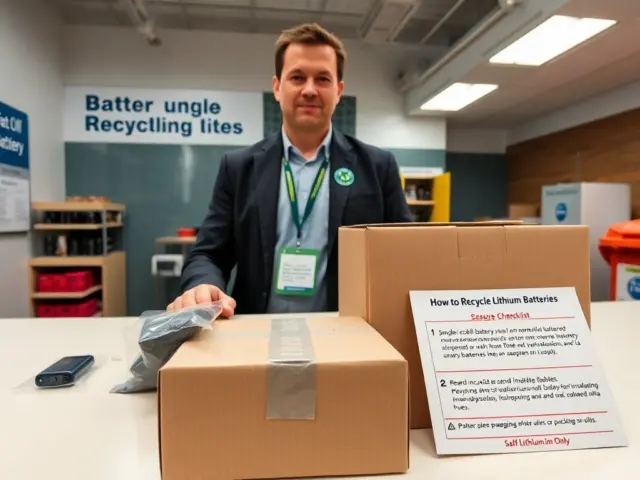
- Choose durable, energy-efficient hardware and consider lifecycle impacts — prefer devices with replaceable batteries, recyclable materials, and open integration standards to avoid vendor lock-in and unnecessary replacement cycles.
Prevent creating new waste by setting sunset rules for devices and software: repurpose or return hardware at end of life, choose subscription models that include responsible disposal, and avoid single-use sensors or proprietary containers. Finally, build feedback loops — share results with staff and household members, iterate on processes, and scale what demonstrates consistent reductions in waste without adding new environmental burdens.
By following these steps, readers will have a clear path for how to reduce food waste with technology that is practical, measurable, and aligned with broader sustainability goals.