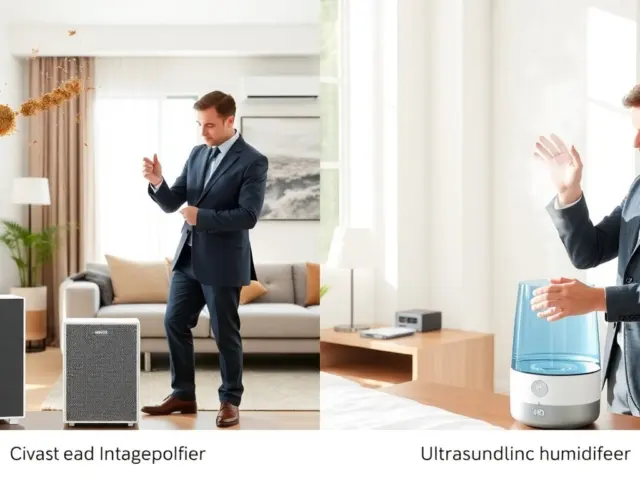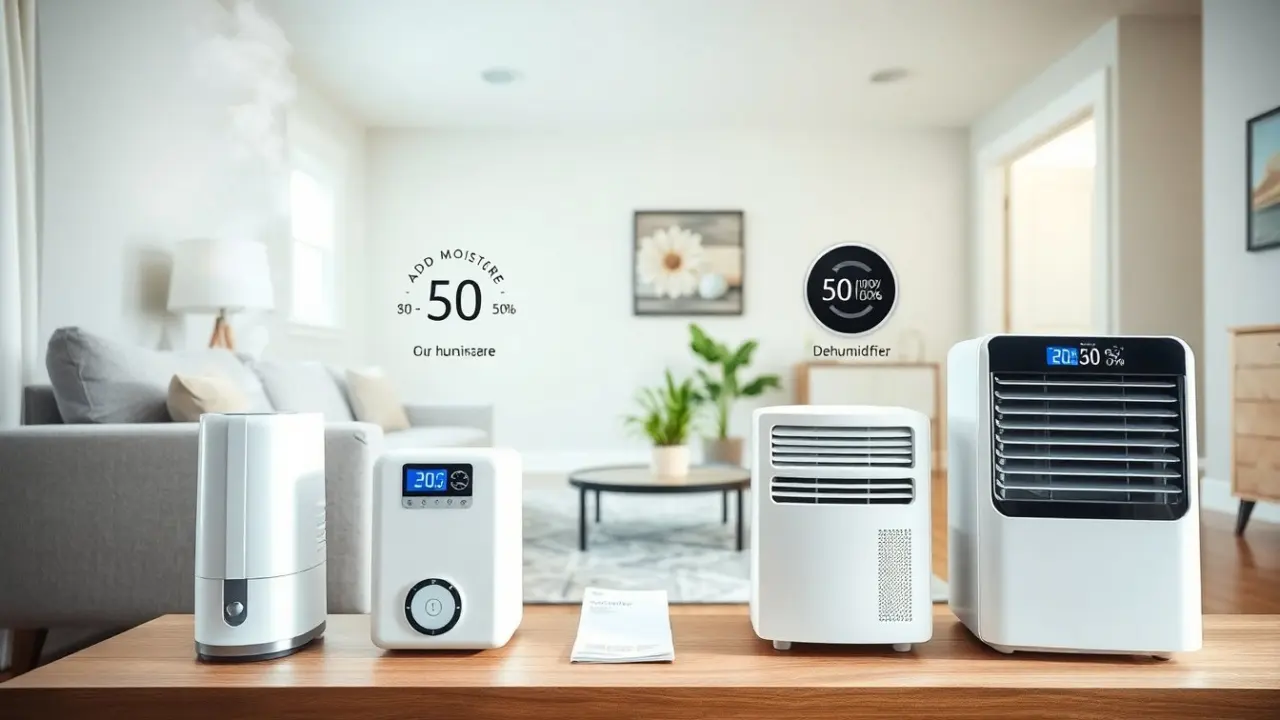
Homeowners often debate humidifier vs dehumidifier when they address indoor air. This guide explains each device clearly. It shows how each device changes moisture levels. It helps readers pick the right unit for comfort, health, and mold prevention. It uses simple steps and clear signals to guide choices.
Key Takeaways
- Humidifiers increase indoor humidity when levels fall below 40%, improving comfort and protecting wood furniture.
- Dehumidifiers reduce indoor humidity above 50%, preventing mold growth and alleviating allergies.
- Use a hygrometer to monitor indoor humidity and guide whether to use a humidifier or dehumidifier.
- Choose portable units for single rooms and whole-house systems for comprehensive humidity control.
- Maintain humidifier humidity below 50% to avoid mold, and keep dehumidifiers around 45–50% for optimal comfort.
- Regular cleaning of both devices is essential to prevent microbial growth and maintain efficiency.
How Humidity Affects Health, Comfort, And Your Home
Humidity changes indoor air and affects people and buildings. Low humidity dries skin, throat, and nasal passages. It increases static electricity and can crack wood floors and furniture. High humidity makes people sweat and feel sluggish. It helps dust mites and mold grow. Mold releases spores that can trigger allergies and asthma. High humidity can also warp drywall and stain paint. Ideal indoor humidity sits between 40% and 50%. Homeowners can measure humidity with a hygrometer. They should check levels in basements, bathrooms, and bedrooms. They should act when levels sit outside the 40–50% band for prolonged periods. The choice of device affects health, comfort, and property maintenance. The discussion below compares humidifier vs dehumidifier and shows when each tool fits.
Humidifiers: How They Work, Types, Benefits, And When To Use One
A humidifier adds water vapor to indoor air. It raises relative humidity to a target level. Humidifiers come in cool-mist, warm-mist, ultrasonic, and evaporative models. Cool-mist units push water through a wick or use ultrasonic vibration. Warm-mist units boil water and release steam. Evaporative models use a fan and wick to release moisture. Ultrasonic models use high-frequency vibration. Each type uses a different energy level and makes different noise. A humidifier helps when indoor air reads below 40% relative humidity. It eases dry skin and reduces nosebleeds. It can also help children with cold symptoms sleep better. A humidifier can protect wood furniture and musical instruments from cracking. Users should clean humidifiers weekly to avoid bacteria and mold growth. They should use distilled water if they want less white dust from minerals. They should set humidifiers to keep humidity under 50% to avoid encouraging mold. Homeowners should compare running cost, tank size, and noise when they buy. When they weigh humidifier vs dehumidifier, they should pick a humidifier when the home stays dry for long periods.
Dehumidifiers: How They Work, Types, Benefits, And When To Use One
A dehumidifier removes water vapor from indoor air. It lowers relative humidity to a safe range. Dehumidifiers come in refrigerant (compressor), desiccant, and whole-house models. Compressor models condense moisture on cold coils. Desiccant models use a drying material to absorb moisture. Whole-house systems integrate with HVAC ducts. A dehumidifier helps when indoor humidity reads above 50%. It reduces mold, mildew, and damp smells. It slows dust mite growth and helps people with allergies breathe easier. It also protects stored items and structural materials from moisture damage. Dehumidifiers need periodic emptying or a drain connection. They need filter cleaning to maintain airflow. Energy use varies by model and room size. In basements and laundry rooms, a dehumidifier often provides the best return on investment. When homeowners compare humidifier vs dehumidifier, they should pick a dehumidifier when rooms stay damp or when they detect condensation on windows and pipes.
Quick Comparison And Practical Guidance For Choosing Between A Humidifier And A Dehumidifier
This table-style list helps decide between humidifier vs dehumidifier. Read each item and match it to home conditions.
- If indoor humidity stays below 40%, choose a humidifier. It raises comfort and protects wood.
- If indoor humidity stays above 50%, choose a dehumidifier. It reduces mold and dust mites.
- If occupants report dry skin, sore throat, or static, choose a humidifier.
- If occupants report musty smells, visible mold, or condensation, choose a dehumidifier.
- For single rooms, choose portable units. For full-house control, choose whole-house systems.
- For families with allergies, choose a dehumidifier to reduce allergens. For infants with dry skin, choose a humidifier to add moisture.
Practical setup tips:
- Place a hygrometer in main living spaces and bedrooms. It shows when to run either device.
- Run a humidifier in winter when heating drops indoor humidity. Run a dehumidifier in summer or in damp spaces.
- Keep humidifier humidity below 50% to avoid mold growth. Keep dehumidifier settings around 45% to 50% for comfort.
- Clean devices as the manufacturer recommends. Cleaning prevents microbial growth and keeps units efficient.
- Consider combined HVAC solutions when multiple rooms need consistent control.
When homeowners weigh humidifier vs dehumidifier, they should let measured humidity drive the choice. They should choose the device that corrects the specific moisture problem they find.