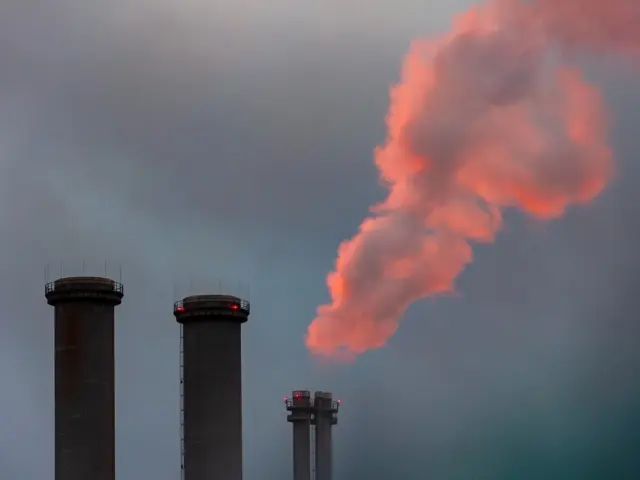
Non renewable energy refers to fuel sources that form over millions of years and that humans consume faster than nature replaces. The article defines non renewable energy, lists its main types, and shows key impacts. It explains economic and geopolitical effects. It presents clear strategies for transition as of 2026. The reader gains a concise, practical view of why non renewable energy still matters and how change proceeds. This expanded overview adds more context on how these fuels are used across sectors, the technical and social challenges that accompany them, and the pathways that policymakers, businesses, and communities are using to reduce reliance on non renewable energy.
Key Takeaways
- Non renewable energy refers to fuels like fossil fuels and nuclear fuels that form over millions of years and cannot be replaced within a human lifespan.
- While non renewable energy provides high energy density and reliable supply, its combustion leads to greenhouse gas emissions and environmental pollution impacting health and ecosystems.
- Non renewable energy significantly influences global economies and geopolitics due to its role in trade, supply stability, and energy security.
- Transition strategies focus on reducing non renewable energy use by expanding low-carbon electricity, improving efficiency, and promoting clean energy investments and policies.
- Policymakers and industries aim to balance the economic role of non renewable energy with environmental goals through carbon pricing, standards, and workforce re-skilling.
- Consumers contribute to the transition by adopting efficient appliances and reducing fuel use, supporting a gradual shift away from non renewable energy sources.
- Effective transition requires coordinated policy, targeted investment, and social measures to manage costs, protect vulnerable communities, and maintain reliable energy services.
What Is Nonrenewable Energy? Key Characteristics
Non renewable energy describes energy that forms slowly and that people cannot replace within a human lifespan. Scientists create these fuels from geological and biological processes over millions of years. Users extract non renewable energy from finite deposits in the ground. The fuel delivers high energy density and steady supply when infrastructure exists to use it. Markets price non renewable energy based on extraction cost and political factors. The term guides policy and investment in energy systems. Policymakers monitor reserves and consumption to project how long non renewable energy can meet demand.
Beyond the basic definition, non renewable energy is characterized by several practical features. It often requires specialized extraction and processing infrastructure (mines, wells, refineries, enrichment facilities) and complex logistics for transport and storage. Because supplies are geographically concentrated, access and delivery depend on pipelines, shipping routes, ports, and power networks. The capital intensity and long lead times of projects linked to non renewable energy shape investment cycles and lock in particular energy mixes for decades.
Non renewable energy also interacts with other systems: petrochemicals from oil and gas feed manufacturing and agriculture; coal and gas plants provide grid flexibility and baseload generation in many regions; and nuclear power contributes large amounts of low‑carbon electricity while introducing long‑term waste management needs. Understanding these interconnections is essential when evaluating the role of non renewable energy in energy transitions and economic planning.
Major Types Of Nonrenewable Energy
The main non renewable energy sources include fossil fuels and nuclear fuels. Each source fits different uses and carries different risks. Energy planners weigh cost, reliability, and environmental impact when they choose which source to build or phase out.
Fossil fuels encompass coal, crude oil, and natural gas. Coal has historically powered electricity generation and heavy industry; oil dominates transport fuels, heating in some regions, and feedstocks for chemicals and plastics; natural gas is widely used for power generation, industrial heat, and as a transition fuel because it typically emits less CO2 per unit of energy than coal. Extraction methods—surface mining, underground mining, conventional drilling, and unconventional techniques like hydraulic fracturing—affect local environments, water use, and emissions profiles.
Nuclear energy relies on fissile materials such as uranium and, in some technologies, plutonium. Nuclear plants produce large amounts of continuous, low‑carbon electricity but require stringent safety systems, long‑term radioactive waste management, and high upfront capital investment. There are different reactor types (light‑water reactors, advanced designs, and experimental small modular reactors) with varying operational characteristics and deployment challenges.
Other non renewable categories include certain unconventional hydrocarbons and industrial feedstocks derived from fossil resources. Each type serves distinct roles—fuel, heat, electricity, and chemical inputs—and each presents unique environmental, technical, and policy questions when considered in transition scenarios away from non renewable energy.
Environmental And Health Impacts Of Nonrenewable Energy
Combustion of non renewable energy produces greenhouse gases that change climate patterns. Oil and coal extraction disrupt habitats and pollute water and soil. Air pollution from burning fossil fuels causes respiratory and cardiovascular illness. Coal ash and drilling waste can contaminate local water. Nuclear accidents remain rare but they can cause long-term land and health consequences when they occur. Waste from nuclear reactors requires monitoring for decades. Communities near extraction sites often face higher health risks and lower local air and water quality.
Lifecycle impacts vary by source and technology. For example, upstream methane leaks from natural gas systems can substantially increase the climate footprint of gas; oil spills and pipeline ruptures produce acute ecological damage; and coal combustion releases particulates, sulfur and nitrogen oxides, and heavy metals that affect regional air quality. Land disturbance from mines, subsidence from extraction, and the need to remediate contaminated sites are persistent environmental management tasks.
Mitigation measures exist but are not perfect. Emissions controls, best practice extraction standards, proper waste containment, and long‑term monitoring reduce but do not eliminate harm. Remediation and healthcare costs often fall on local communities or public budgets. The uneven distribution of impacts raises environmental justice concerns: communities with less political power or lower incomes frequently host extraction and waste disposal sites and therefore bear disproportionate risks from non renewable energy operations.
Economic Role, Supply Risks, And Geopolitical Implications
Non renewable energy fuels drive many national economies and trade flows. Exporting countries earn large revenues from oil and gas sales. Importing countries depend on steady shipments and price stability for industry and transport. Supply disruptions raise fuel prices and slow economic growth. Nations secure supply through reserves, alliances, and diversified imports. Competition for deposits and transit routes can increase geopolitical tension. Energy companies invest in exploration when prices promise profit. Economies that rely on resource exports face risk when demand shifts away from non renewable energy.
Economically, non renewable energy underpins sectors beyond energy: petrochemicals, fertilizers, aviation, shipping, and several manufacturing processes still depend heavily on fossil inputs. The sector supports large workforces and regional economies, particularly in areas built around extraction and refining. That dependence creates fiscal exposure for governments whose budgets rely on resource revenues and leaves companies and investors exposed to price volatility and the risk of stranded assets if demand declines faster than anticipated.
Geopolitically, concentration of reserves and transportation chokepoints creates leverage and vulnerability. Countries build strategic petroleum reserves, pipeline agreements, and international partnerships to mitigate these risks. Conversely, abrupt supply shocks—whether caused by conflict, sanctions, or infrastructure failure—can ripple through global markets, raising energy costs and influencing foreign policy decisions. Transition strategies therefore must consider security as well as climate and economic resilience.
Strategies For Transitioning Away From Nonrenewables
Governments set targets to cut non renewable energy use and to lower emissions by 2030 and 2050. Utilities expand low-carbon electricity and add storage to balance supply. Cities improve building efficiency and shift public transport away from oil. Investors fund projects that reduce fossil fuel demand and that scale clean alternatives. Companies adopt efficiency measures and electrify processes where feasible. Policymakers use carbon pricing, standards, and subsidies to change market signals. Workers receive training to move from extraction jobs into clean energy roles. People change behavior by choosing efficient appliances and by reducing transport fuel use.
A practical transition combines supply and demand measures. On the supply side, rapid deployment of renewables, grid upgrades, energy storage, and cleaner alternatives (including low‑carbon hydrogen and advanced nuclear designs where appropriate) reduce dependence on non renewable energy. Carbon capture, utilization, and storage (CCUS) can lower emissions from remaining fossil fuel use in hard‑to‑abate sectors, though it requires additional investment and governance. On the demand side, scaling electrification of transport and heating, improving industrial efficiency, and shifting urban design to reduce vehicle miles are key levers.
Policy instruments matter: carbon pricing aligns market incentives with climate goals; performance standards drive technology adoption; targeted subsidies and public financing de‑risk private investment in clean technologies; and regulatory reforms speed permitting for transmission and clean energy projects. A just transition framework—supporting retraining, social protection, and regional economic diversification—helps manage the social consequences of declining non renewable energy industries and preserves livelihoods.
Finally, coordination among governments, companies, civil society, and consumers accelerates progress. Transparent planning, staged targets, and clear investment signals reduce uncertainty for investors and communities. While the timeline and mix of actions differ by country, the combination of technology deployment, policy change, and social measures provides a realistic path to reduce reliance on non renewable energy while maintaining energy access and economic stability.