Plastic ocean pollution harms marine life, coastal communities, and the economy. This article explains how plastic reaches the sea, how it damages ecosystems and people, and which actions reduce harm. Readers will get clear steps they can take and policies that work. The language stays direct and precise to make the facts easy to use. Below are practical descriptions of the main pathways, the range of impacts, the human and economic dimensions, and a mix of individual, technological, and policy responses that are proven or promising at reducing plastic inputs and accelerating cleanup.
Key Takeaways
- Plastic ocean pollution originates primarily from land-based sources like streets and rivers, as well as from fishing and shipping activities at sea, emphasizing the need to reduce litter and improve waste management.
- Plastic pollution disrupts marine ecosystems by harming wildlife, blocking sunlight crucial for plankton, and spreading invasive species, illustrating broad ecological damage.
- Human health and coastal economies suffer due to plastic contamination in seafood, declining tourism, and increased cleanup costs, highlighting the importance of reducing plastic waste for public health and economic stability.
- Effective solutions to plastic ocean pollution include adopting reusable packaging, enhancing waste collection and recycling, deploying filters in waterways, and enacting laws to restrict single-use plastics.
- Innovations in fishing gear and cleanup efforts help minimize pollution from lost nets and large debris, boosting marine environment recovery efforts.
- Commitments from businesses to reduce plastic usage and transparent progress reporting are vital in addressing plastic ocean pollution on a large scale.
How Plastic Enters The Ocean: Sources And Pathways
Plastic ocean pollution begins on land and at sea and follows predictable pathways that make targeted interventions possible. On land, littered packaging, cigarette butts, and single-use items accumulate on streets and in open dumps; these items are mobilized by wind, stormwater runoff, and overflowing drains. Urban storm systems, especially during heavy rain, flush lightweight plastics and microplastic-laden sediment into rivers and coastal channels. Rivers act as conveyors, concentrating debris from entire watersheds and delivering it to estuaries and the open sea. Coastal tourism and informal dumping near shorelines add directly to the load.
At sea, commercial and recreational fishing contribute through lost or discarded gear—nets, lines, traps—that can become “ghost gear” and continue to entangle wildlife for years. Shipping and offshore industries introduce packaging waste and smaller items unintentionally. Waste-management failures at ports and transfer stations can release large volumes of poorly contained trash. Once afloat, larger items fragment through UV exposure, abrasion, and wave action into microplastics and nanoplastics; these tiny particles are transported by currents and can cross ocean basins. Microbeads from personal care products, synthetic fibers shed during laundry, and tire wear particles enter waterways via wastewater and storm drains. Understanding these pathways helps prioritize interventions: improving street sweeping and stormwater capture, installing river and storm drain filters, enforcing gear retrieval programs, and supporting waste infrastructure upgrades in high-leakage areas.
Environmental And Ecological Impacts Of Plastic Pollution
Plastic ocean pollution changes how marine systems work across multiple scales. At the organism level, animals ingest plastic fragments that can block digestive tracts, reduce feeding, and cause internal injuries. Entanglement in ropes and nets causes drowning, restricted movement, and increased vulnerability to predators. Seabirds and mammals are frequent victims, but impacts extend to fish, turtles, and invertebrates.
At the habitat level, plastic debris accumulates on beaches, in mangroves, and on coral reefs, altering substrate structure and smothering sensitive organisms. Floating plastic can form rafts that shade surface waters and reduce light penetration, which diminishes photosynthesis in phytoplankton and seagrasses—key primary producers that support food webs. Microplastics are ingested by plankton and benthic organisms, transferring up the food chain and potentially changing nutrient flows and energy transfer efficiency.
Over time, persistent plastics fragment and chemically weather, releasing additives and adsorbed pollutants into the environment. These materials can interfere with reproduction, growth, and immune function in laboratory and field studies. Plastics also provide novel substrates for sessile organisms, enabling hitchhiking species to cross biogeographical barriers and in some cases establish invasive populations that change community composition. Together, these effects can reduce biodiversity, alter ecosystem services (like fisheries productivity and coastal protection), and slow the recovery of degraded habitats.
Human Health, Food Safety, And Economic Costs
Plastic ocean pollution has direct and indirect consequences for people. In terms of food safety, microplastics and associated chemicals have been detected in commercially harvested fish, shellfish, and sea salt. While scientific work continues to clarify exposure levels and long-term effects in humans, these findings raise concerns about chronic dietary exposure and chemical transfer through the food chain. Additives in plastics—stabilizers, flame retardants, plasticizers—can disrupt endocrine systems in laboratory studies, and some legacy contaminants sorbed to plastics are known toxicants.
Economically, coastal communities bear measurable costs. Local governments and volunteers spend substantial resources on beach cleanups and waste removal. Tourism revenues decline where beaches are littered or water quality is visibly poor, affecting hotels, restaurants, and recreation businesses. Fisheries experience gear loss, lower catch rates, and market impacts when consumers worry about contamination. The cost of upgrading waste infrastructure and stormwater controls falls to municipalities and sometimes national budgets. In addition to these direct costs, there are harder-to-measure losses: reduced ecosystem services such as carbon sequestration and natural coastal protection, and the cultural impacts to communities tied to marine resources.
Public health responses and market reactions influence policy: regulators are increasing monitoring of seafood, and some supply chains now factor in plastic contamination risk. Reducing plastic inputs helps protect livelihoods, supports food safety, and lowers cleanup and enforcement costs over time.
Solutions That Work: Practical Steps, Innovations, And Policy
Addressing plastic ocean pollution requires a mix of prevention, better waste management, targeted capture, technology, and strong policy signals. Prevention begins with waste reduction: eliminating unnecessary single-use items, shifting to durable or refillable packaging, and promoting reusable alternatives. Extended producer responsibility (EPR) programs incentivize manufacturers to design for reuse and recycling by making them accountable for end-of-life costs.
At the infrastructure level, improving collection and sorting systems reduces leakage. Cities can deploy curbside recycling and organics programs, upgrade landfills to prevent windblown litter, and expand access to affordable waste services in underserved areas. Tactical interventions include trash capture devices in storm drains and river booms that intercept floating debris before it reaches shorelines. These devices are most effective when paired with regular maintenance and proper disposal of collected waste.
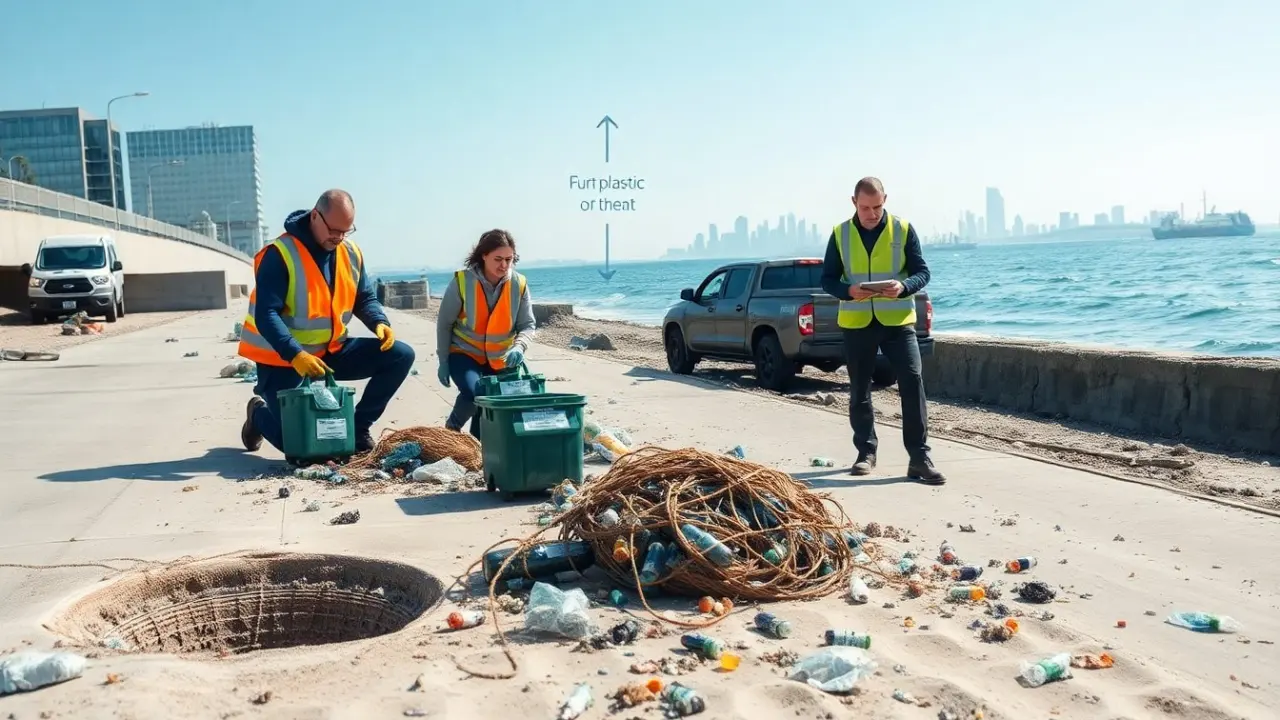
Technology and design innovations also play a role: fishing gear redesigns reduce snagging and make lost gear easier to retrieve; biodegradable materials are being explored for some applications (with careful evaluation of degradation conditions and byproducts); and improved polymer identification and sorting can make recycling more efficient. Cleanup initiatives—shoreline cleanups, targeted removals of ghost gear, and coordinated response teams—help remove large debris that would otherwise fragment into persistent microplastics.
Policy measures that work include bans or fees on certain single-use plastics, standards for product design and recyclability, requirements for corporate reporting on plastic use and reduction targets, and incentives for circular-economy practices. International cooperation helps manage plastics that cross borders via currents and shipping. Community engagement, education campaigns, and support for local stewardship build social norms that reduce littering and increase participation in reuse and recycling programs. For individuals: reduce single-use consumption, choose reusable alternatives, participate in local cleanups, and support policies and companies that prioritize reduction and responsible packaging. When combined, these actions reduce inputs to the ocean, lower cleanup burdens, and move systems toward a more circular approach to plastics.