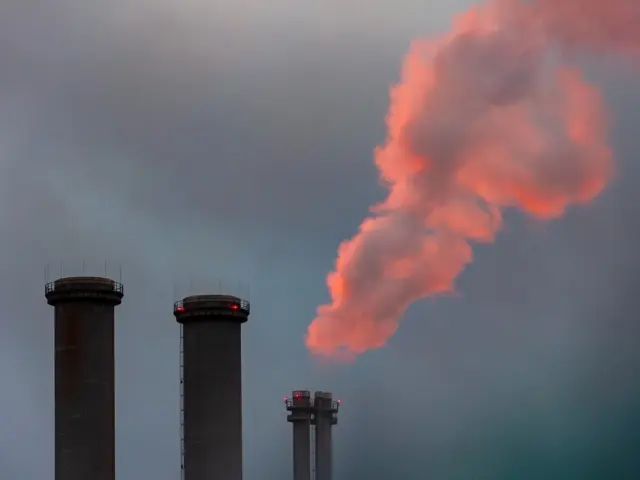
Renewable energy vs fossil fuels drives energy choices in 2026. The debate affects costs, emissions, and infrastructure. Analysts note rapid cost declines for wind and solar. Policymakers plan grid upgrades and incentives. Investors shift capital toward low‑carbon projects. Citizens expect cleaner local air. This article compares how each source works, their environmental effects, economics, and grid impacts.
Key Takeaways
- Renewable energy sources like solar and wind offer rapidly declining costs and lower emissions compared to fossil fuels.
- Fossil fuels emit significant greenhouse gases and pollutants, while renewables drastically reduce air pollution and long‑term climate risks.
- Grid integration for renewables requires storage, flexibility, and policy support to ensure reliability despite variable output.
- Economic trends favor renewables with lower levelized costs and growing investment driven by subsidies and technology improvements.
- Renewable energy projects create more local jobs and have lower lifecycle costs when considering fuel expenses and carbon risks.
- Choosing between renewable energy vs fossil fuels involves balancing environmental impact, economics, and infrastructure needs for a sustainable energy future.
How Renewable Energy And Fossil Fuels Work: Sources, Conversion, And Efficiency
Renewable energy vs fossil fuels differ at their source. Renewables rely on solar radiation, wind flow, and water movement. Fossil fuels rely on ancient organic matter stored as coal, oil, and gas. Machines convert energy into electricity or heat. Solar panels convert sunlight into electricity with inverters. Wind turbines convert kinetic wind energy into electricity with generators. Thermal plants burn coal, oil, or natural gas to produce steam and spin turbines. Conversion efficiency varies. Modern combined‑cycle gas plants reach higher thermal efficiency than older coal plants. Utility‑scale solar and wind show improving capacity factors with technology and siting. They require more diffuse land but produce little direct combustion heat.
Beyond headline efficiencies, useful energy services differ: renewables often produce electricity directly while fossil fuels provide both electricity and dense, transportable fuels. Conversion losses occur at different stages — for example, electricity from solar has transmission losses and inverter inefficiencies, while fossil fuel systems incur losses in extraction, refining, and combustion. Hybrid systems and co‑located storage can raise the effective utilization of renewable assets. Operational practices, maintenance, and local resource quality (solar irradiance, wind regimes, river flows) strongly influence real‑world performance.
Operational flexibility is another practical distinction. Many fossil plants can ramp output to follow demand, providing grid services such as frequency control and spinning reserve. Some renewable technologies are increasingly designed with controllability in mind — curtailment, pitch control on turbines, and inverter‑based grid support — but those functions often require additional investment in control systems and power electronics.
Environmental Impacts: Emissions, Land Use, Water, And Biodiversity
Renewable energy vs fossil fuels show clear differences in emissions. Fossil fuels emit carbon dioxide, methane, and particulates during extraction and combustion. Renewables emit almost no combustion greenhouse gases during operation. Land use differs by technology. Solar arrays and wind farms need space, and some hydro projects flood ecosystems. Coal mines and oil fields fragment landscapes and destroy habitat. Water use differs too. Coal and nuclear plants use large cooling water volumes. Solar photovoltaic systems use little water after construction. Biodiversity suffers from drilling and mining more than from modern wind and solar sites when siting considers wildlife. Overall, renewables reduce air pollution and long‑term climate risk compared with fossil fuels.
Lifecycle impacts matter: manufacturing of solar panels, wind turbines, and batteries requires materials extraction and processing that carry emissions and localized environmental effects. Proper siting, reclamation, and circular economy measures — such as recycling turbine blades and end‑of‑life PV modules — can reduce these impacts. For fossil systems, legacy contamination (tailings, abandoned wells) and ongoing risks like oil spills and methane leaks impose long‑term environmental and public health costs that are often borne by communities and ecosystems.
Mitigation approaches differ by sector. For renewables, planning to avoid critical habitats, designing wildlife‑friendly turbine layouts, and minimizing roadway and transmission footprints can lower biodiversity impacts. For fossil fuels, emissions controls, improved leak detection, water treatment, and land restoration reduce damage but do not eliminate greenhouse gas emissions. A comprehensive comparison therefore looks beyond operational emissions to cumulative environmental costs and the feasibility of mitigation at scale.
Economic Costs And Market Trends: Upfront Investment, Levelized Costs, And Subsidies
Renewable energy vs fossil fuels compete on price and policy. Solar and wind capital costs fell over the last decade. Analysts list lower levelized costs for new wind and solar than for new coal plants in many regions. Fossil fuel projects face volatile fuel prices and future carbon risks. Upfront investment for renewables concentrates on panels, turbines, and grid ties. Fossil projects place capital on extraction and long‑lived plants. Governments still subsidize both types. Some subsidies favor renewables through tax credits and auctions. Other subsidies reduce fossil fuel costs through production credits and reduced royalties. Markets respond to policy and cost signals, shifting investment toward lower‑cost, lower‑risk options.
Levelized cost comparisons should include integration and system costs: adding significant variable renewables can raise needs for storage, transmission, and flexible capacity, which influence the effective cost to the system. Conversely, fossil generators face fuel price volatility and potential future costs from carbon pricing or tightening emissions standards. Financial terms also differ — project finance for renewables often relies on predictable long‑term contracts, while fossil projects can be exposed to commodity markets and regulatory risk.
Policy and market design shape deployment patterns. Auctions, feed‑in tariffs, carbon pricing, and technology‑neutral capacity markets influence which resources get built. Public investment in grid infrastructure and workforce programs can lower the effective cost of renewable deployment. At the same time, some regions still rely on fossil subsidies that distort competition. Transparent accounting for subsidies, externalities, and system integration costs helps policymakers and investors make informed choices between renewable energy vs fossil fuels.
Grid Integration, Reliability, And Scalability: Storage, Flexibility, And Policy Needs
Renewable energy vs fossil fuels pose different grid needs. Fossil plants provide steady, dispatchable power. Solar and wind provide variable output tied to weather. Storage and flexibility allow higher renewable penetration. Batteries store electricity for short durations and respond quickly. Long‑duration storage, demand response, and hydrogen offer seasonal balancing options. Grid upgrades and smart controls improve reliability with high renewables. Policy must set clear market signals for capacity, frequency support, and transmission expansion. Planners must coordinate siting with transmission to avoid congestion. Private investors can finance storage when markets pay for firming and ancillary services. Without proper signals, grids risk curtailment, congestion, or forced fossil backup.
Operationally, integrating high shares of renewables requires changes in grid planning and operations: better forecasting, market rules that value fast‑responding resources, and expanded transmission corridors to move energy from resource‑rich areas to demand centers. Distributed resources — rooftop solar, behind‑the‑meter batteries, electric vehicles — can provide flexibility if markets and grid codes allow aggregation and participation in ancillary service markets. Conversely, relying excessively on fossil backup can lock in emissions and infrastructure that are expensive to retire.
Regulatory and institutional reforms play a central role. Clear technical standards for inverter behavior, incentives for capacity and reliability services, and streamlined permitting for transmission and storage reduce barriers to scalable renewable deployment. Equitable transition policies — protecting vulnerable communities and ensuring affordable reliability — must accompany technical solutions so that reliability and decarbonization progress together rather than in conflict.
Key Technologies Compared: Solar, Wind, Hydro, Natural Gas, Coal, And Oil
Analysts compare technologies under renewable energy vs fossil fuels to inform choices. Solar offers rapid deployment and modular scaling. Wind provides low operating costs and strong output at good sites. Hydro stores energy and provides firming but requires rivers and raises ecological concerns. Natural gas plants offer flexible, lower‑carbon dispatch than coal but still emit CO2 and methane. Coal plants deliver high thermal intensity but emit large CO2 and particulates. Oil remains important for transport and some power in specific markets. Each technology fits different roles: base load, peaking, or flexible capacity.
Decision makers weigh trade‑offs: speed of deployment, resource availability, local environmental constraints, and system needs for inertia and reactive power. Emerging variations—such as floating offshore wind, bifacial solar, and advanced bioenergy—expand options. Retrofitting existing plants with carbon capture or fuel switching can extend the utility of some fossil assets, but such measures add cost and are not universal solutions. A diversified technology mix combined with active planning tends to reduce overall system risk.
Emissions Profiles And Climate Effects: Short‑Term Pollutants Vs Long‑Term CO2
Renewable energy vs fossil fuels show distinct emissions profiles. Fossil combustion emits CO2 that accumulates and warms the climate for centuries. Fossil extraction and transport release methane, a potent short‑lived climate pollutant. Fossil facilities emit sulfur and nitrogen oxides that harm air quality and health. Renewables emit little during operation. Manufacturing and construction produce emissions that lifecycle analyses capture. Over typical project lifetimes, wind and solar show far lower greenhouse gas emissions per megawatt‑hour than coal and oil. Replacing fossil generation with renewables reduces both short‑term air pollution and long‑term climate forcing.
Short‑term air quality improvements from switching away from fossil fuels can yield immediate health benefits, lowering hospital visits and improving worker productivity in affected regions. Long‑term climate benefits accrue more slowly but are critical to avoiding the most severe impacts of warming. Policy tools like methane mitigation programs, emissions standards, and lifecycle accounting help align near‑term pollution control with long‑term decarbonization goals.
Jobs, Supply Chains, And Lifecycle Costs: Who Wins Economically Over Time?
Economists assess jobs and supply chains under renewable energy vs fossil fuels to judge net benefits. Renewables create jobs in manufacturing, installation, and maintenance. Fossil industries create jobs in extraction, refining, and transport. Renewable projects tend to create more local construction jobs per dollar. Fossil jobs often pay higher wages in extraction regions but face automation and long‑term demand decline. Lifecycle costs favor renewables when fuel costs and carbon risks enter models. Supply chains for renewables require critical minerals and fabrication capacity. Policymakers can support workforce transition through training and investment to lower social costs of change.
Supply chain resilience and industrial policy matter: scaling renewables at pace requires domestic manufacturing capacity for panels, turbines, and storage components in many regions, plus secure supplies of critical inputs. Fossil sectors have established logistics and workforce structures that can complicate rapid transition. Strategic planning that includes retraining programs, targeted local investment, and incentives for recycling and material substitution can reduce social and economic disruption while maximizing the long‑term economic benefits of lower operating costs and avoided fuel expenditures.