Seattle tap water quality is a common concern for local residents. The city sources water from protected mountain watersheds. The utility treats water with chlorine and other standard disinfectants. The water system tests for microbes, metals, and chemicals. This article explains source, treatment, testing, contaminants, home steps, and how residents can report problems and get alerts.
Key Takeaways
- Seattle tap water is sourced mainly from protected mountain watersheds and treated with disinfectants like chlorine to ensure safety.
- The city follows strict EPA and Washington State standards, conducting daily checks and publishing annual Consumer Confidence Reports on water quality.
- Common contaminants include lead from older service lines and disinfection byproducts, with ongoing efforts to control and reduce these risks.
- Residents are encouraged to test home water, especially in older homes, use certified filters, and follow safe water use practices to minimize exposure to contaminants.
- Seattle Public Utilities offers resources for testing, reporting water issues, and signing up for real-time alerts to keep the community informed and safe.
Where Seattle’s Tap Water Comes From And How It’s Treated
Seattle Public Utilities draws most water from the Cedar and Tolt watersheds. The utility also uses the South Fork of the Cedar and some groundwater in limited areas. The agency keeps those watersheds closed to most public access to protect source quality. The utility transports raw water by pipeline to treatment plants. The plants filter sediment and add disinfectant. The utility adds fluoride in some areas for dental health. The utility monitors turbidity, pH, and residual disinfectant to keep water stable during distribution.
Water Quality Standards, Testing Programs, And Compliance
State and federal agencies set water quality standards for Seattle. The utility follows EPA and Washington State rules for maximum contaminant levels. The utility runs daily operational checks and routine sampling. The utility publishes an annual Consumer Confidence Report. The utility uses accredited labs for chemical and microbial tests. The utility reports any violations to regulators and posts corrective actions. Residents can review lab data online to confirm compliance and trends for key contaminants in their neighborhood.
How To Read Seattle’s Consumer Confidence Report And Recent Test Results
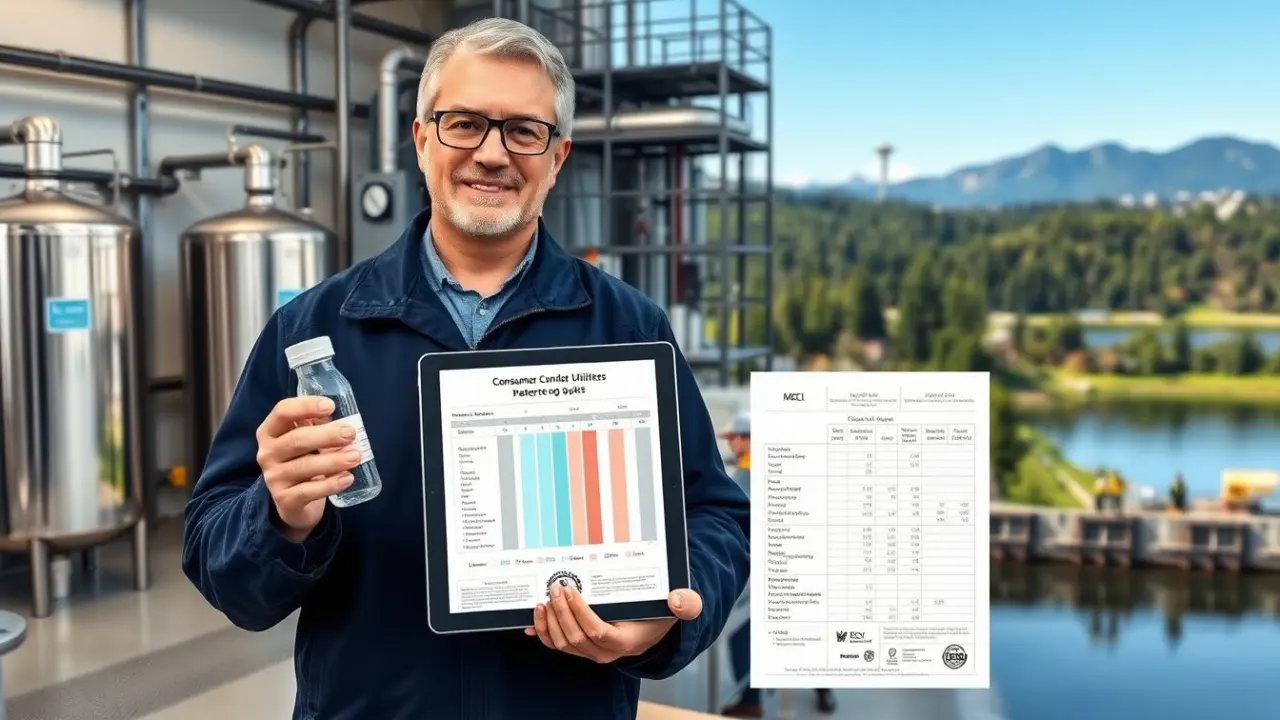
The Consumer Confidence Report lists detected contaminants and test limits. The report shows sample dates, measured values, and allowed limits. The report flags any exceedance and explains health effects. Readers should find the contaminant name, the measured level, and the MCL or action level. The report also lists source protections and treatment steps. Recent test results often appear as tables or charts. Residents should compare values to EPA limits and check whether the utility lists corrective steps for any exceedance.
Common Contaminants And Health Concerns In Seattle Water
Seattle tap water quality usually meets regulatory limits. The common chemical concerns include lead in older service lines, disinfection byproducts, and naturally occurring metals. The utility controls lead by corrosion control and by replacing service lines. The utility monitors for disinfection byproducts and adjusts treatment to reduce them. Microbial contamination can occur during main breaks or treatment failures. People with weakened immune systems should consult a doctor before drinking untreated tap water. Pregnant women and infants should follow local health guidance on lead exposure and fluoride.
Practical Tips For Residents: Testing, Filters, And Safe Practices
Residents should test water if they live in older homes or have new plumbing. A simple first-draw lead test shows service line contribution. Residents can flush cold water for 30 to 60 seconds before use to reduce lead. Residents should use certified filters for lead reduction and for removing specific chemicals. Filters must carry NSF/ANSI standards for the target contaminant. Residents should use cold water for cooking and baby formula. Residents should avoid boiling to remove lead. Boiling does not remove metals and can concentrate some contaminants.
How To Test Your Home Water And Reduce Contaminant Risk
Residents can buy EPA-recognized test kits or hire a certified lab. The utility provides guidance and some free lead test kits for eligible households. For DIY kits, residents should follow sampling steps exactly to avoid errors. Residents should collect first-draw samples for lead testing and follow cold-water sampling instructions. If tests show high lead, residents should install a certified point-of-use filter or use bottled water for drinking and cooking. Residents can request service line inspection or replacement through the utility when tests indicate risk.
How To Report Water Problems, Sign Up For Alerts, And Stay Informed
Residents should report low pressure, discolored water, or taste and odor issues to Seattle Public Utilities. The utility posts boil water notices and service alerts on its website and social channels. Residents can sign up for text and email alerts to get real-time updates. The utility also offers a customer portal to view recent test results and service history. Residents should keep contact info current and follow local health department advice during advisories. Reporting problems quickly helps the utility respond and protect public health.