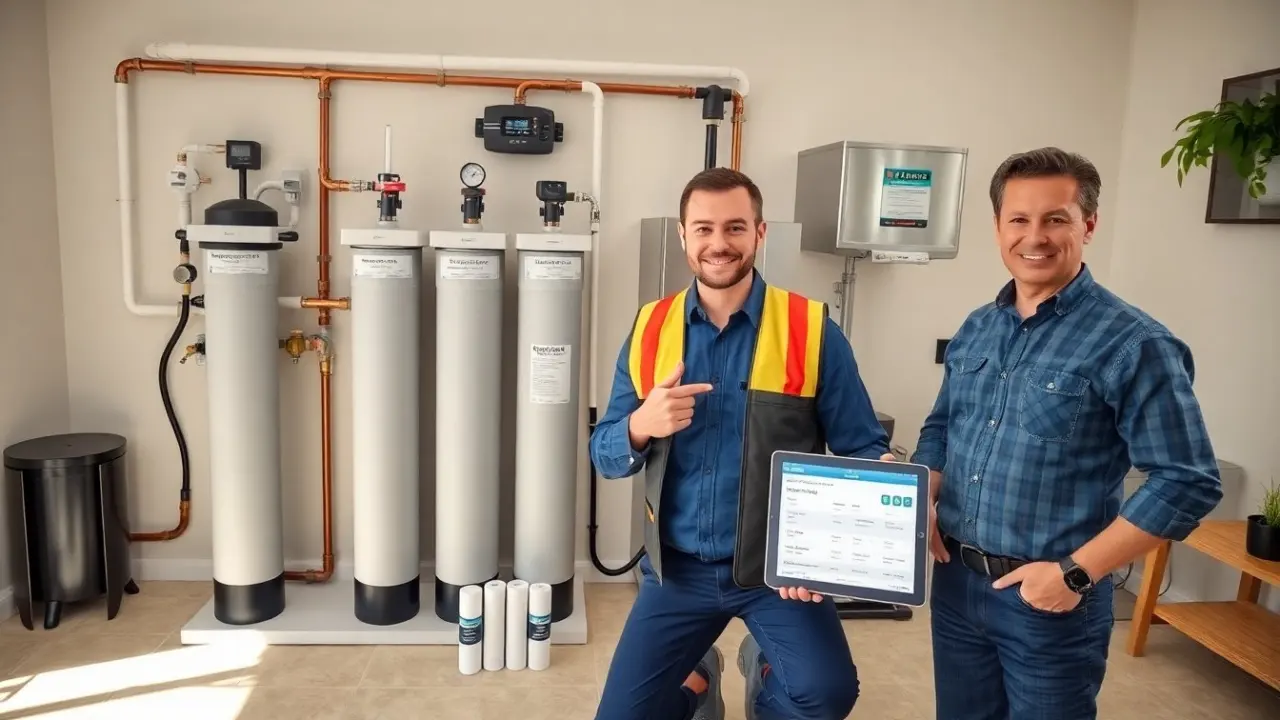
A water filter for the whole house gives clean water to every tap. Homeowners can reduce contaminants, protect appliances, and improve taste with one system. This guide lists clear criteria, filter types, installation needs, and cost ranges. It helps readers pick a system that fits their plumbing, water profile, and budget.
Key Takeaways
- A water filter for the whole house provides clean water to every tap by reducing contaminants, improving taste, and protecting appliances throughout the home.
- Choosing the right whole-house water filter requires testing your water, matching system flow rate to home demand, and considering contaminant types for effective filtration.
- Multiple filter types—such as sediment, activated carbon, KDF, reverse osmosis, and UV systems—can be combined to address various water quality issues comprehensively.
- Proper sizing involves calculating peak gallons per minute (GPM) from fixture use to ensure steady water pressure and optimal filter performance.
- Professional installation with appropriate valves and bypass loops simplifies maintenance, while regular cartridge replacement and annual water testing extend system lifespan.
- Costs vary from $800 to over $6,000 depending on system complexity, so use a clear buying checklist including testing, certifications, warranty, and local service availability to make an informed decision.
Why A Whole-House Water Filter May Be Worth It (Health, Home, And Cost Benefits)
Whole-house filters remove contaminants before water reaches any faucet. They lower chlorine, sediment, and some chemicals at the point of entry. They protect skin and hair during showers. They protect water-using appliances and extend their life. They cut drinking water purchase costs over time. They reduce the need for point-of-use filters at every sink. In areas with known contaminants, they improve health risk management. They give consistent water quality for cooking, bathing, and laundry. A water filter for the whole house often pays back through lower maintenance and fewer bottled-water purchases.
Types Of Whole-House Filters And What Each Actually Removes
Sediment filters trap sand, rust, and dirt. They protect downstream equipment and extend the life of finer filters. Activated carbon filters remove chlorine, taste, and odors. They reduce many organic chemicals. KDF media reduce chlorine and control bacteria in certain setups. They work well with carbon to extend life. Reverse osmosis systems remove most dissolved solids, heavy metals, and many contaminants. They require pre- and post-treatment and a drain line. Water softeners remove hardness minerals such as calcium and magnesium. They do not remove most bacteria or organics. UV systems inactivate bacteria and viruses. They need clear water and often follow sediment or carbon treatment. Catalytic carbon and specialty resin targets specific contaminants like chloramine, PFOA/PFOS, or iron. Choice depends on water test results and household needs. A water filter for the whole house can mix these technologies in stages to address multiple threats.
Key Criteria To Choose The Right System (Flow Rate, Capacity, And Contaminant Testing)
Homeowners must test their water first. A test shows contaminants, concentration, and pH. A test guides filter selection and staging. Next, match system flow rate to home demand. The system must handle peak flow without excessive pressure drop. Check filter capacity in gallons and the replacement schedule. Higher capacity fits larger families and heavy use. Look for certified performance data from independent labs. Check NSF/ANSI standards where applicable. Consider municipal versus well water. Well water often needs sediment, iron, and bacteria controls. Municipal water often needs chlorine and chemical removal. Finally, plan for monitoring and easy filter replacement. A water filter for the whole house works best when sizing and testing match actual household use.
Practical Sizing Guide: Calculating GPM, Peak Demand, And Filter Capacity
Calculate the peak flow in gallons per minute (GPM). Peak flow equals the total GPM of fixtures used at once. A shower uses about 2.5 GPM. A dishwasher uses about 1.5 GPM. Add likely concurrent fixtures to estimate peak demand. Choose a system rated above that peak to avoid pressure loss. Estimate daily water use by family size and habits. Multiply daily use by system longevity to size cartridge capacity. For example, a family of four might use 400 gallons per day. A 100,000-gallon cartridge lasts roughly 250 days for that family. Always leave a safety margin and plan for seasonal peaks. A properly sized water filter for the whole house keeps pressure steady and reduces maintenance frequency.
Installation, Routine Maintenance, And Expected Lifespan
A plumber should install most whole-house systems. Proper valves and bypass loops make maintenance easier. Install sediment and carbon stages before sensitive devices such as UV. Replace cartridges on the manufacturer schedule or when pressure drops. Backwashing filters require a drain and routine regeneration. Softener resin usually needs replacement every 8–15 years depending on use and water chemistry. Carbon cartridges often last 6–12 months. RO membranes last 2–5 years in whole-house designs, depending on pretreatment. UV lamps require annual replacement to maintain output. Regular testing after installation confirms the system works. Homeowners should log filter changes and test water annually. A well-maintained water filter for the whole house can serve reliably for a decade or more with periodic component replacement.
Cost Range, Warranties, And A Simple Buying Checklist
System costs vary widely. Basic sediment-plus-carbon whole-house systems start around $800 installed. Mid-range multi-stage systems range $1,500 to $4,000. Comprehensive systems with softeners, RO, or advanced media can exceed $6,000. Annual maintenance and replacement parts usually run $150–$600 per year. Check warranty length for tanks, heads, and media. Verify labor warranty for installation. Look for independent test data and NSF/ANSI certifications. Ask about local service and replacement part availability. Use this checklist before purchase: 1) Test results in hand. 2) Required contaminant removal listed and certified. 3) System GPM rating above peak demand. 4) Clearly stated cartridge life and replacement cost. 5) Installation plan and warranty details. 6) Accessible local service or vendor support. A water filter for the whole house becomes a practical investment when buyers follow this checklist and buy a system sized to their needs.