what are some effects of climate change? Scientists list rising temperatures, altered rainfall, sea level rise, ecosystem loss, and health risks. The list helps people plan, adapt, and act. This article describes seven major effects with clear examples and evidence. Below we expand on how these changes interact, who they affect most, and what adaptation and mitigation responses are commonly used to reduce harm.
Key Takeaways
- Rising global temperatures cause more frequent heatwaves, impacting crops, workers, and energy systems significantly.
- Altered precipitation patterns lead to unpredictable rainfall, increasing extreme weather events and complicating planning for agriculture and infrastructure.
- Increased flooding and intense storms result from heavier rainfall and coastal storm surges, raising flood damage and emergency responses.
- More severe droughts cause water scarcity, affecting agriculture, energy production, and prompting water use restrictions and migration.
- Sea level rise leads to coastal erosion, floodplain changes, and harms coastal ecosystems, prompting updates in zoning and flood defenses.
- Climate change disrupts ecosystems and accelerates biodiversity loss, threatening species survival and ecosystem services.
- Human health and economies suffer from heat-related illnesses, food insecurity, disease spread, and higher recovery and insurance costs, driving investments in adaptation and resilience.
Rising Global Temperatures And More Frequent Heatwaves
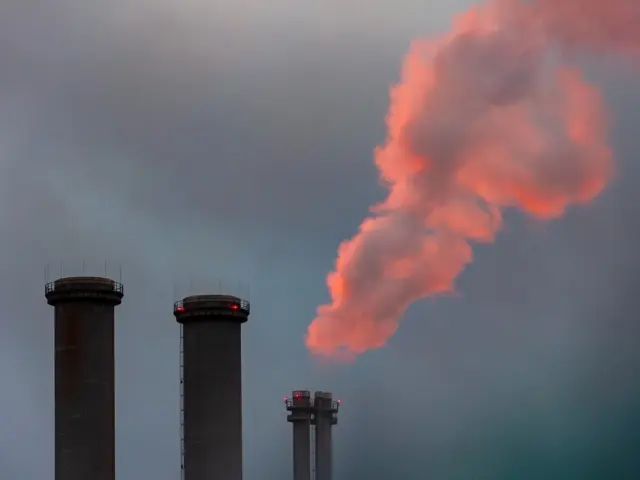
Average temperatures rise worldwide. The increased heat drives more frequent and longer heatwaves. Cities record higher daily highs, and nights stay warmer. Crops suffer when heat spikes coincide with growth stages. Workers face higher heat stress during outdoor labor. Energy systems strain under increased cooling demand. Rising temperatures also raise ocean heat content, which changes weather patterns. Because of rising heat, many regions see shifts in growing seasons and higher wildfire risk. Policymakers link these outcomes to greenhouse gas increases and record temperatures in recent years.
Beyond the direct effects of hotter days, higher baseline temperatures change seasonal cycles—earlier springs, reduced winter chill, and longer warm seasons. This alters pest and disease lifecycles, can reduce yields for temperature-sensitive crops, and increases demand for cooling that can strain electricity grids. Communities respond with heat action plans, cooling centers, changes in work schedules, urban greening to reduce the heat-island effect, and building standards that improve passive cooling.
Altered Precipitation Patterns And Extreme Weather Events
Climate change shifts precipitation amounts and timing. Some areas receive more rain and snow. Other areas receive less. This shift creates more extreme weather events overall. The trend increases both heavy rainfall events and prolonged dry spells. People find planning harder when rainfall becomes less predictable. Infrastructure such as drains and reservoirs face different stresses than before. Farmers adjust planting dates and crop choices because of the new patterns. Insurance costs rise where flood and storm risks increase. Scientists connect these changes to a warmer atmosphere that holds more moisture and to changing storm tracks.
Altered precipitation affects groundwater recharge and the reliability of seasonal water supplies, which in turn influences agricultural planning and urban water management. Regions that experience more intense downpours also see higher erosion and sediment transfer to waterways, degrading water quality and aquatic habitats. Adaptation measures include updating stormwater systems, shifting to water-efficient irrigation, diversifying crop varieties, and improving watershed management to increase resilience to both droughts and floods.
Increased Flooding And Intense Storms
Heavy rainfall events become more common. Storms draw extra moisture from warmer air and oceans. Rivers and urban drainage systems overflow during intense storms. Coastal storms push higher storm surges onto land. Flood damage grows in cost and scope. Cities with aging infrastructure see recurring impacts. Emergency services respond more often to flood rescues. Planners now map larger floodplains and raise building standards. Communities adopt flood walls, buyouts, and nature-based approaches to reduce risk.
Flooding’s impacts cascade into public health problems (contaminated water, mold), disrupted transportation and supply chains, and longer-term economic losses for households and businesses. Managed retreat, where communities relocate from repeatedly flooded areas, and restoration of wetlands and floodplains to absorb floodwaters are increasingly discussed alongside traditional engineered defenses. Early warning systems, community preparedness, and updated land-use planning are critical tools to reduce loss of life and property.
More Severe Droughts And Water Scarcity
Droughts grow longer and more frequent in many regions. Higher temperatures increase evaporation from soils and reservoirs. Snowpack declines reduce seasonal runoff that communities rely on. Water managers impose restrictions and allocate supplies more often. Farmers shift to less water-intensive crops or invest in irrigation efficiency. Households face stricter water rules during dry years. Energy production that depends on water, like hydropower and cooling for plants, also faces constraints. These shortages drive higher costs and sometimes force migration from the hardest-hit areas.
Water scarcity intensifies competition between agricultural, industrial, and municipal users and can heighten geopolitical tensions where shared rivers or aquifers cross borders. Long-term responses include diversifying water supplies (recycling, desalination where feasible), investing in water storage and conveyance, improving leak detection and efficiency, and adopting policies that encourage conservation. Community-level measures—such as drought-resilient landscaping and crop insurance adjustments—also help reduce vulnerability.
Sea Level Rise, Coastal Erosion, And Floodplain Changes
Sea levels rise as glaciers and ice sheets melt and as ocean water expands when it warms. Coastal erosion increases as waves and higher water levels reach further inland. Low-lying communities face more frequent tidal flooding and permanent inundation in some areas. Saltwater moves into groundwater and soil, harming crops and freshwater supplies. Coastal habitats such as marshes and mangroves change or shrink. Local governments update zoning and build defenses like seawalls and restored wetlands. Real estate markets and insurance adjust to the new coastal risk profiles.
Because sea level rise is gradual but persistent, its effects accumulate: infrastructure designed for past conditions often becomes inadequate over time. Responses range from hard defenses (seawalls, levees) to soft approaches (beach nourishment, wetland restoration) and policy changes like setbacks and revised building codes. Planners increasingly use scenarios that account for multiple possible sea level outcomes to guide long-term investments and to prioritize areas for protection versus managed retreat.
Ecosystem Disruption And Accelerating Biodiversity Loss
Species shift ranges toward higher latitudes and elevations. Plants and animals face mismatches in food timing and habitat conditions. Coral reefs bleach when water temperatures rise and when acidity increases. Pollinators decline in some areas, and invasive species take new hold in others. These changes reduce ecosystem services such as pollination, water filtration, and carbon storage. Conservation efforts relocate, protect corridors, and manage landscapes differently. Scientists warn that faster climate shifts increase extinction risk for species that cannot move or adapt quickly.
Ecosystem changes also affect human communities that rely on natural systems for livelihoods—fisheries, forestry, and tourism are vulnerable to shifting species and degraded habitats. Maintaining and restoring habitat connectivity, protecting climate refugia, reducing other stressors (pollution, overexploitation), and integrating climate projections into conservation planning are key strategies to slow biodiversity loss and preserve ecosystem functions.
Human Health, Food Security, And Economic Impacts
Heatwaves increase heat-related illness and deaths. Changing rainfall patterns affect crop yields and livestock, which raises food prices and reduces access. Vector-borne diseases expand into new areas as mosquitoes and ticks move. Mental health strains rise after extreme events and repeated losses. Economies face higher costs for recovery, insurance, and infrastructure repair. Workers lose productivity in extreme heat and floods. Governments and businesses plan adaptation budgets and invest in resilience. These measures aim to reduce impacts but do not eliminate ongoing risks.
The social impacts of climate change are often unequal: vulnerable populations—low-income households, marginalized communities, older adults, and those in climate-exposed places—tend to bear a larger share of harms. Strengthening public health systems, improving social safety nets, diversifying food systems, and investing in resilient infrastructure and early-warning systems reduce risk. Combining mitigation (reducing emissions) with adaptation (preparing for change) is essential to limit future costs and preserve wellbeing.