Someone fishing a lake may wonder whether the water is polluted. What is water pollution? Harmful chemicals or microorganisms entering a river, lake, ocean or aquifer, and eating fish from contaminated water can harm people.
Mercury is the worked example below, because it shows how a pollutant travels from a discharge point to a dinner plate. For the full picture of where it originates, see the guide to the sources of mercury pollution.
Water pollution defined
Water pollution occurs when harmful chemicals or microorganisms get into a river, lake, ocean or aquifer, as RCAP explains. The EPA’s water overview names industrial, municipal and agricultural waste reaching surface waters such as rivers, streams, lakes and estuaries as pollution that can harm people’s health.
The label therefore covers chemicals, germs and excess nutrients. A useful way to judge any water body is by what has entered it and how people come into contact with it, since the same lake can pose a problem through swimming, drinking or eating fish.
Common misunderstandings, corrected
Several assumptions make water pollution seem simpler than it is. The table sets each one beside what the evidence supports.
| Common assumption | What is supported | Pollutant and source |
|---|---|---|
| Pollution is just what factories dump. | EPA names industrial, municipal and agricultural waste as pollution reaching surface waters. | Chemicals, sewage and nutrients from factories, municipal systems and farms |
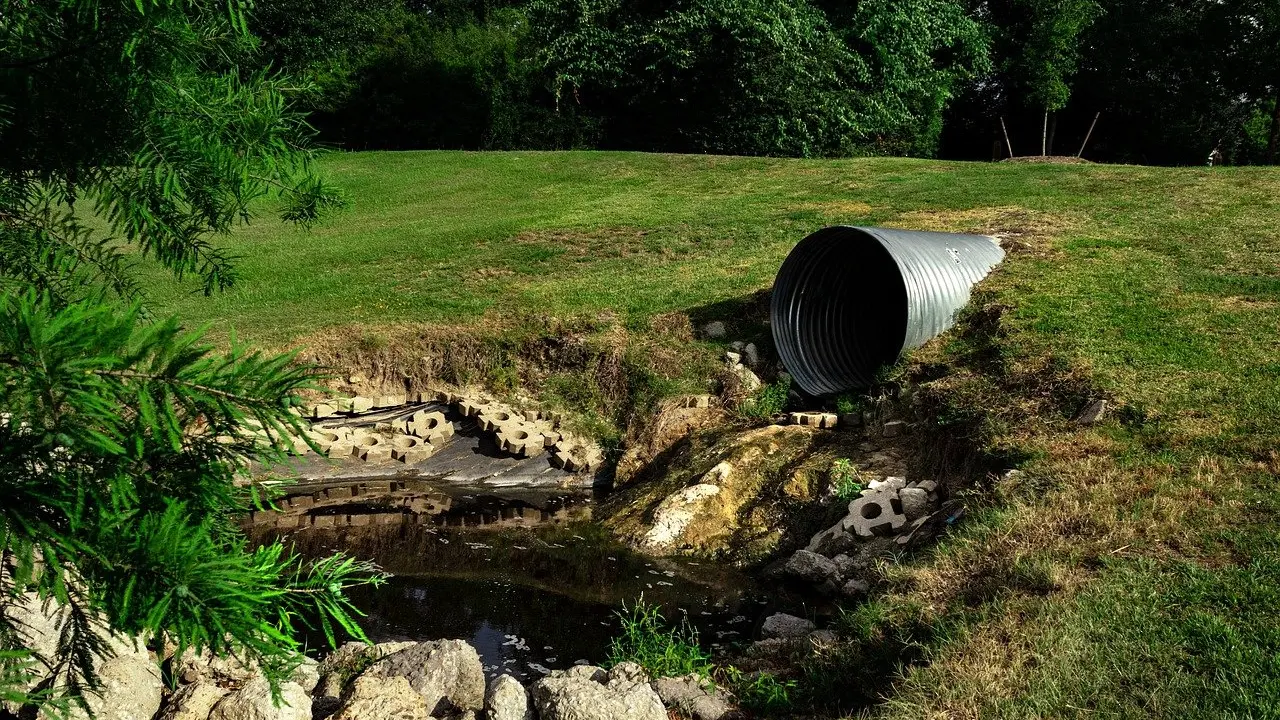
| Only visible rivers and lakes are at risk. | Groundwater can be contaminated by pesticides, fertilizers and waste from landfills, septic tanks and farmlands. | Pesticides, fertilizers and waste from landfills, septic tanks and farmland |
| Water only matters if you drink it. | EPA lists eating fish from contaminated water bodies as a way pollution can harm people. | Contaminants in fish from polluted lakes, rivers and estuaries |
| Pollution always means toxic chemicals. | Nutrient overloads from human activities such as agriculture cause harmful algal blooms, with low light, low oxygen, toxins and fish kills. | Nitrates and phosphates from farming and sewer overflows |
These rows draw on the EPA’s water overview and RCAP’s explainer.
Industrial discharge, farm runoff and sewage
Each major source adds a different kind of pollution, so each needs a different fix.
- Industrial discharge: Industrial discharges release toxic chemicals and heavy metals into water bodies. A summary of an EPA rule reports that steam electric power plants account for about 30 percent of the toxic pollutants that industrial facilities discharge into US streams, rivers and lakes, which makes one sector a large share of the problem (Locus Technologies).
- Agricultural runoff: Nutrient pollution from nitrates and phosphates is reported as the leading type of contamination for surface waters. This is why a farm many kilometres from a lake can still shape its condition.
- Municipal waste and sewer overflows: EPA ties nutrient overloads to sewer overflows as well as agriculture, so sewage is a nutrient source and a germ source at once.
Metals such as mercury sit on the industrial side of this list, which is where the worked example begins.
Mercury as a worked example
How mercury gets into water
Mercury reaches water through more than one route, and regulators treat it as a discharge problem as well as an air problem. EPA set national limits on mercury, lead and other toxic pollutants that steam electric power plants discharge into rivers and streams, according to that rule summary. Power plants also matter on the air side, which is covered in mercury emissions from coal power plants.
Old mining sites are another source. An EPA research dataset examines how organic matter concentration and characteristics affect mercury mobilization and methylmercury production at an abandoned mine site. It was last updated on December 3, 2021, and is linked to a 2021 peer-reviewed paper in Environmental Pollution (volume 271, article 116369). The takeaway is that mercury in water does not stay in a single form: conditions at the site influence how much of it is mobilized and how much becomes methylmercury, the form that matters for fish.
From polluted water to the fish on your plate
Mercury is a useful teaching case because the harm reaches people indirectly. EPA lists eating fish from contaminated water bodies as an exposure route, so a person can be affected without drinking or touching the water. The marine side of this story is covered in mercury in the ocean.

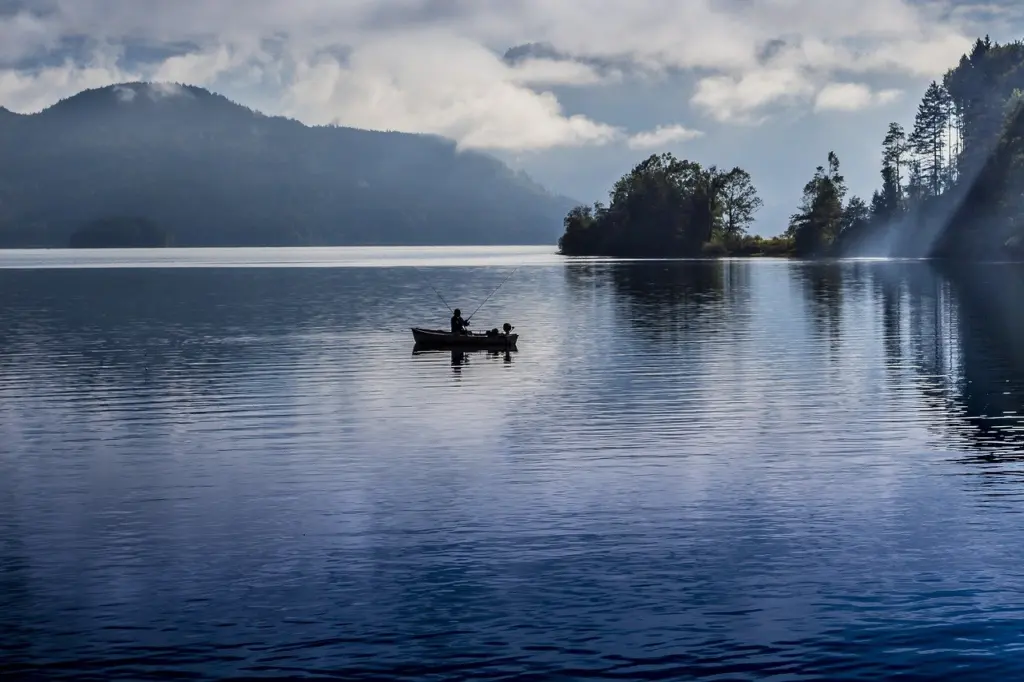
For anglers, the practical consequence is to treat water quality and fish safety as one question. A lake that is open to fishing may still have fish guidance worth checking before you cook the catch.
Health effects of polluted water
Pollution in industrial, municipal and agricultural waste can harm health, according to the EPA. The effects depend on the pollutant and the route of exposure.
- Swimming: EPA says swimming in water polluted by sewage can cause gastroenteritis.
- Eating fish: Contaminated water bodies can harm people who eat fish from them, which is the route the mercury example follows.
- Toxic discharges: The summary of EPA’s steam electric rule says the pollutants involved can cause neurological damage in children, lead to cancer, and damage the circulatory system, kidneys and livers (Locus Technologies).
Families with children have the strongest reason to take the neurological finding seriously, because it is reported specifically for children.
Harmful algal blooms add another layer. EPA describes how nutrient overloads cut light and oxygen in the water, produce toxins and cause fish kills, so pollution can damage the ecosystem that people fish and swim in even before any chemical reaches a person.
Reducing water pollution
Reduction works best at the source, where rules can limit what enters the water. The Clean Water Act is the main US framework: EPA describes its aim as restoring once polluted waters to be boatable, fishable and swimmable (EPA). The word fishable matters here, because it ties water quality directly to whether the fish are safe to eat.
The steam electric limits show what source control looks like for a metal such as mercury. Setting discharge standards on a single industry targets the pollutants at the pipe, rather than leaving communities downstream to manage the result. Farm and sewage inputs call for a different approach, because nutrient pollution comes from many places and from overflow events rather than a single outlet.
For a reader deciding where to look next, the guide to the sources of mercury pollution follows the mercury thread from emission to cleanup.
Frequently asked questions
| Question | Answer |
|---|---|
| What does the Safe Drinking Water Act cover? | EPA’s National Primary Drinking Water Regulations cover 90 contaminants, and the agency reports that its PFAS drinking water protection reaches nearly 100 million people (EPA). |
| Can lawn care contribute to water pollution? | Yes. Pesticides and fertilizers are among the contaminants that can reach groundwater, and RCAP lists avoiding pesticides or herbicides on lawns as one step individuals can take (RCAP). |
| How much toxic discharge does the EPA steam electric rule remove? | A summary of the rule reports that it will remove 1.4 billion pounds a year of toxic discharge nationwide (Locus Technologies). |