Zero waste makeup is a clear choice for people who want less trash and cleaner routines. This guide shows practical steps to reduce packaging, daily waste, and exposure to unnecessary chemicals while keeping routine performance high. It outlines the types of products that work well in a low-waste approach, how to prioritize purchases, concrete shopping tactics, and small habit changes that compound into much less landfill material over time. Readers will learn how to build a compact kit that covers daily needs, lasts longer between purchases, and reduces the total environmental footprint of their beauty routine.
Key Takeaways
- Zero waste makeup minimizes landfill waste by reducing single-use packaging and unrecyclable containers.
- Building a zero waste makeup kit starts with choosing long-lasting, multiuse products and recyclable or reusable packaging.
- Easy swaps like replacing liquid cleansers with solid bars and disposable pads with washable rounds significantly cut daily waste.
- Supporting brands that offer refills, transparent ingredient lists, and clear container take-back programs encourages sustainable industry changes.
- Smart shopping includes testing products with samples, tracking savings from refills, and prioritizing quality over quantity to reduce waste.
- Maintaining tools properly and planning ahead for travel help extend product life and avoid unnecessary plastic use.
Why Zero Waste Makeup Matters Today
Zero waste makeup reduces waste from single-use packaging and mixed plastics that are hard to recycle. Beyond visible trash, it lowers demand for disposable applicators, multi-component packaging, and items with embedded microplastics. When consumers consistently choose low-waste items, brands respond by redesigning formulas, introducing refill systems, and rethinking shipping and returns. That market pressure can shift entire product lines toward simpler ingredients and more transparent end-of-life options. In addition, minimizing exposure to certain preservatives and tiny plastic particles can reduce contamination locally and downstream in ecosystems; this is one reason many people concerned with health and climate adopt zero waste practices. Over time, choosing longer-lasting, refillable, or multiuse products often saves money and reduces the frequency of purchases, while sending a clear signal to retailers and manufacturers about buyer priorities.
How To Build A Zero Waste Makeup Kit
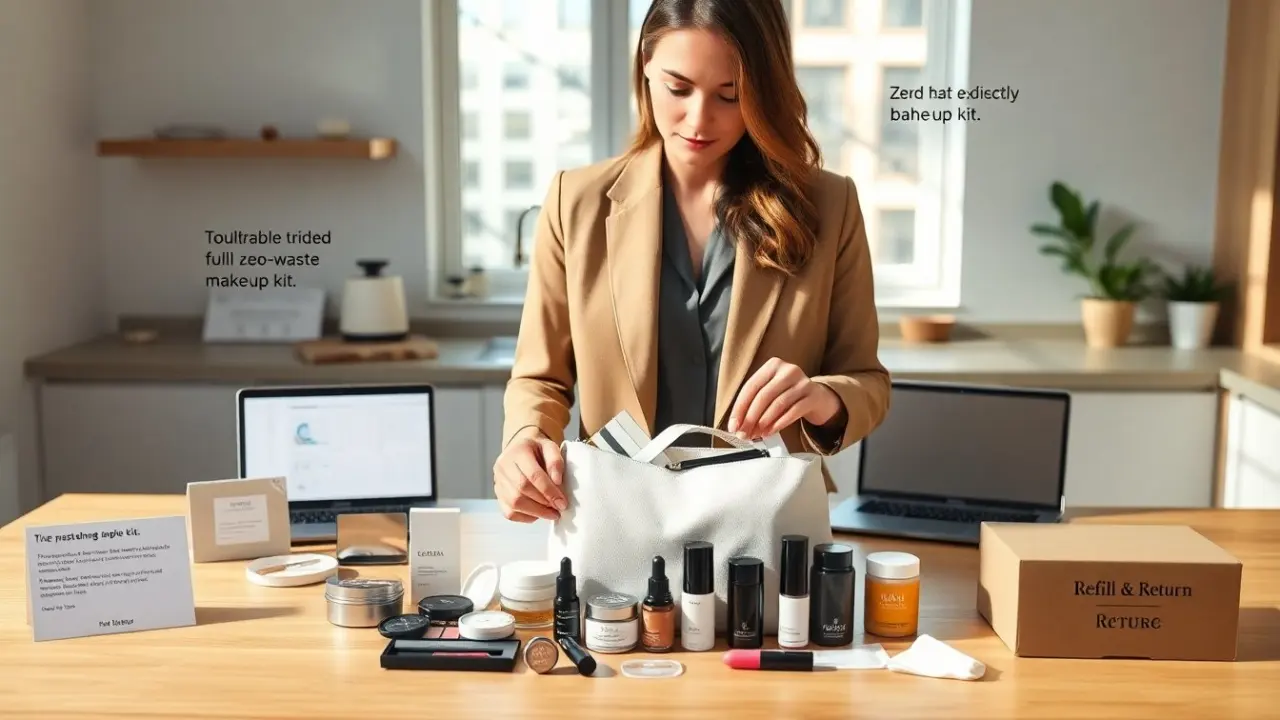
A thoughtful zero waste kit begins with a small list of versatile, high-quality items rather than many single-use products. Start by identifying the core functions you need daily—cleanse, moisturize/prime, even skin tone, add color, and remove makeup—and select multiuse products that cover several roles (for example, a tinted balm that functions as foundation and lip tint). Before buying, ask two practical questions: will the product last under normal use, and can the package be reused, refilled, or recycled in your area? Favor solid formats (bars, sticks, compressed powders) where possible because they typically require less packaging and last longer without preservatives. Choose neutral, shorter ingredient lists and avoid products with microbeads or filings that are not accepted by local recycling. Assemble your kit gradually: keep a compact solid cleanser, a multiuse stick or cream for cheeks and lips, a refillable powder compact, one neutral eyeshadow or brow pencil that doubles as liner, and a multipurpose brush or sponge that can be cleaned and used across products. Include a small tin or case for travel and a washable cloth for removal to replace single-use wipes.
Easy Zero Waste Swaps And Smart Shopping Tips
Make switching to zero waste manageable by changing one item at a time and focusing on the largest sources of packaging first. Simple swaps yield immediate reductions in daily trash: replace liquid cleansers with solid bars, trade disposable cotton pads for washable rounds, and use multiuse sticks that act as concealer, contour, and lip color. Look for powder products and compressed formats that can be refilled or repotted rather than thrown away when a decorative compact breaks. For do-it-yourself options, consider pressing loose powder refills into an empty compact using a pressing kit to avoid purchasing a new container.
Shopping more thoughtfully helps avoid unnecessary waste and disappointment. Test shades with sealed samples when available, borrow swatches from friends, or try temporary testers before buying full sizes. Use online color-matching tools and read ingredient lists to avoid products with ingredients you can’t compost or that your local facilities won’t accept. Follow brands that publish full ingredient transparency and clear end-of-life instructions; when label claims are vague, request clarification from customer service before buying. Favor companies that provide refill pouches, bulk options, or container take-back programs, and support local makers who sell concentrated or naked (packaging-free) bars and sticks.
Track costs and product life to see real savings from concentrated formulas and refills. Make a shopping list of essentials to reduce impulse buys, and choose quality over quantity—durable brushes, long-wearing pigments, and stable solids reduce turnover and waste. Maintain tools: clean brushes with solid soap bars, rinse and air-dry them properly to avoid mildew, reshape sponges instead of replacing them too soon, and keep compacts and tubes in repairable condition (tighten screws, replace hinges) to extend use. Store solids in dry cases and allow creams to dry between uses so they last longer.
Community strategies amplify impact: combine purchases with friends to split bulk refills, join local swap groups or repair cafes to trade or fix unused items, and support certification programs that verify ingredient safety and recyclability. For travel, transfer solids and creams to small metal tins or reusable silicone containers, pack washable cleansing cloths instead of single-use wipes, and avoid buying separate travel-size items that add packaging. When ordering online, request minimal packing, opt out of plastic fillers when possible, and reuse cardboard boxes for returns or local exchanges. Watch for seasonal sales on essentials rather than buying many short-lived items, and keep a small repair kit for compacts, tubes, and brushes so minor faults don’t mean a product is discarded. These practical, incremental steps make zero waste makeup attainable and effective without sacrificing performance.